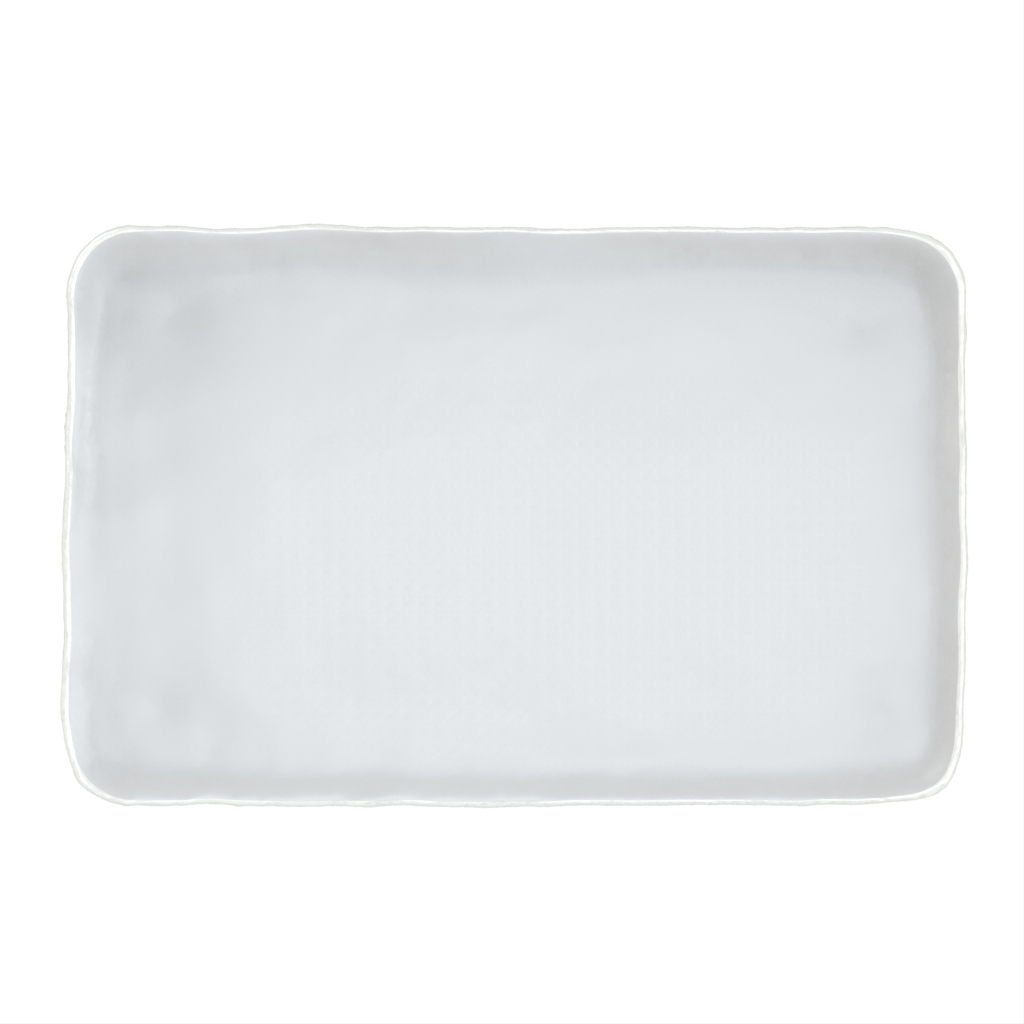
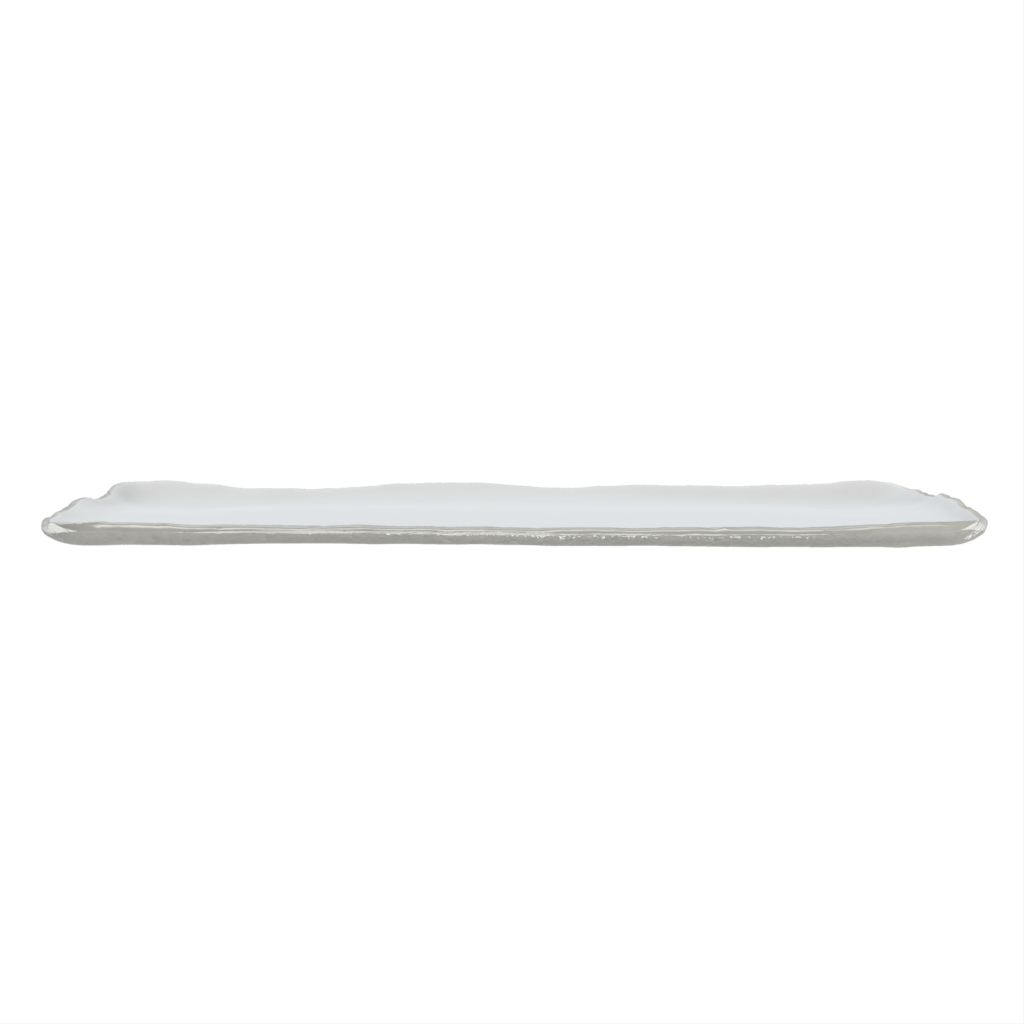
Sushi Serving Tray and Sushi Serving Plates by Format and Surface
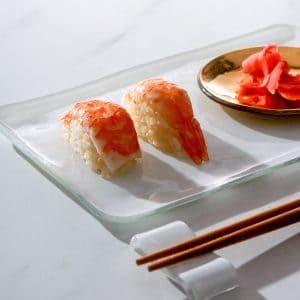
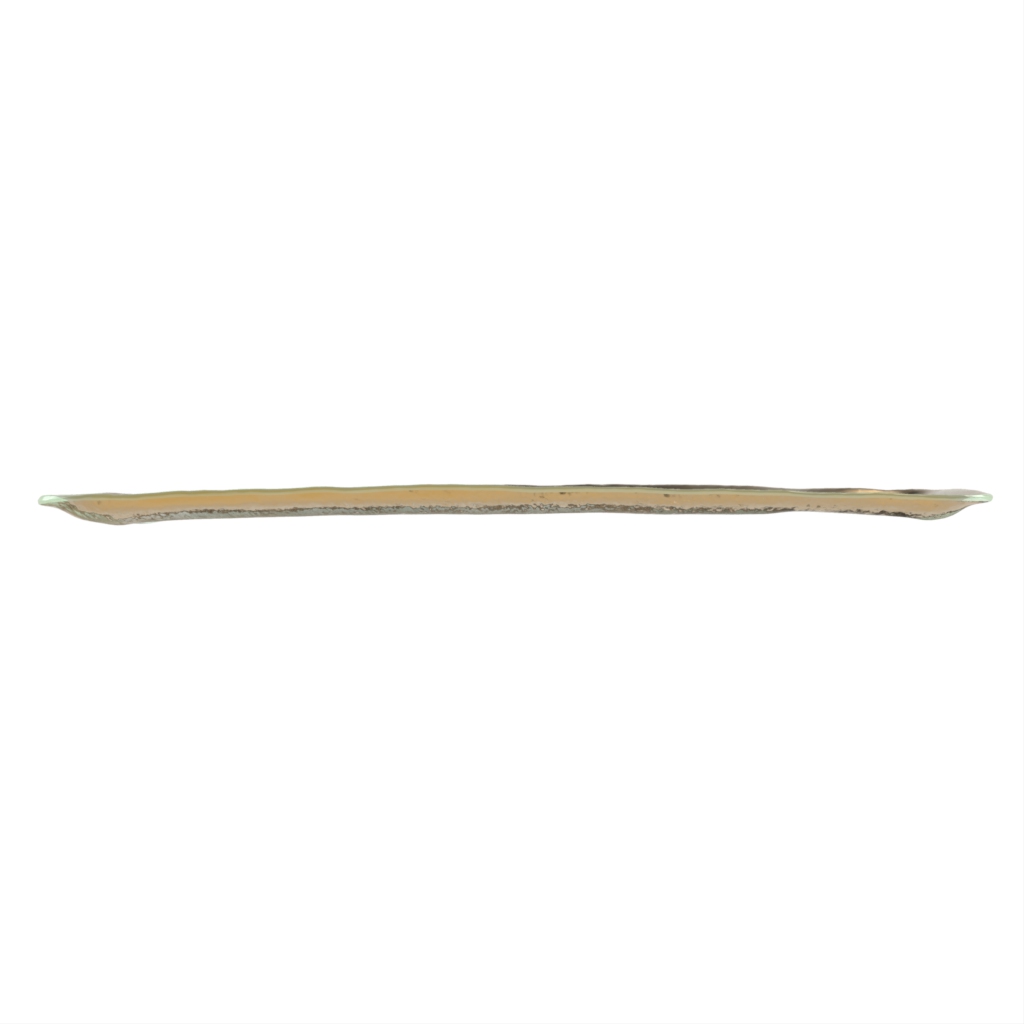
Sushi serving plates and boards at MyGlassStudio run across three primary formats. Flat boards at 30 cm to 50 cm cover shared platter service for two or more guests. Individual-service plates at 20 cm to 28 cm suit omakase formats where each course arrives as one piece. A sushi serving tray in a raised or footed format adds vertical height, which reads well in private dining and banquet settings. The Glass Japanese Dinnerware guide covers format and surface decisions for Japanese restaurant service in detail.
Glass surface options for sushi boards
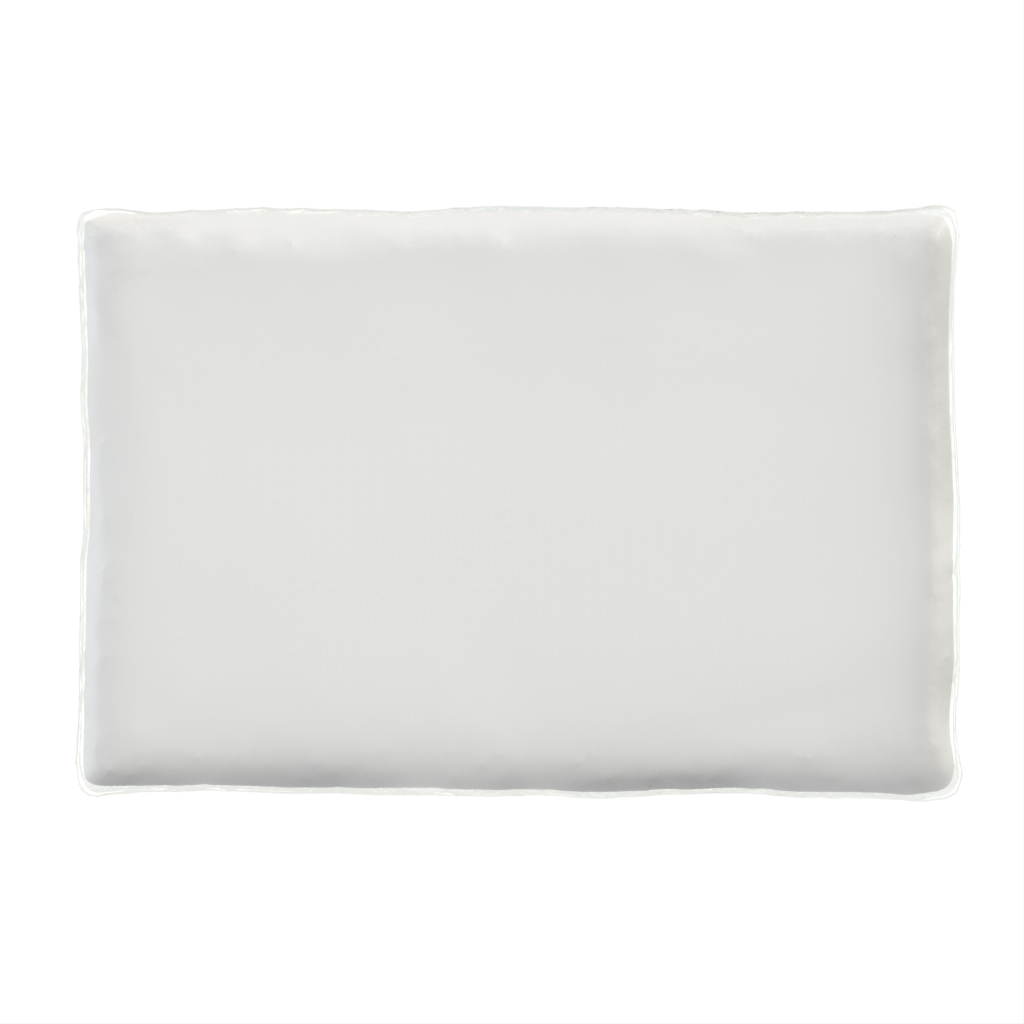
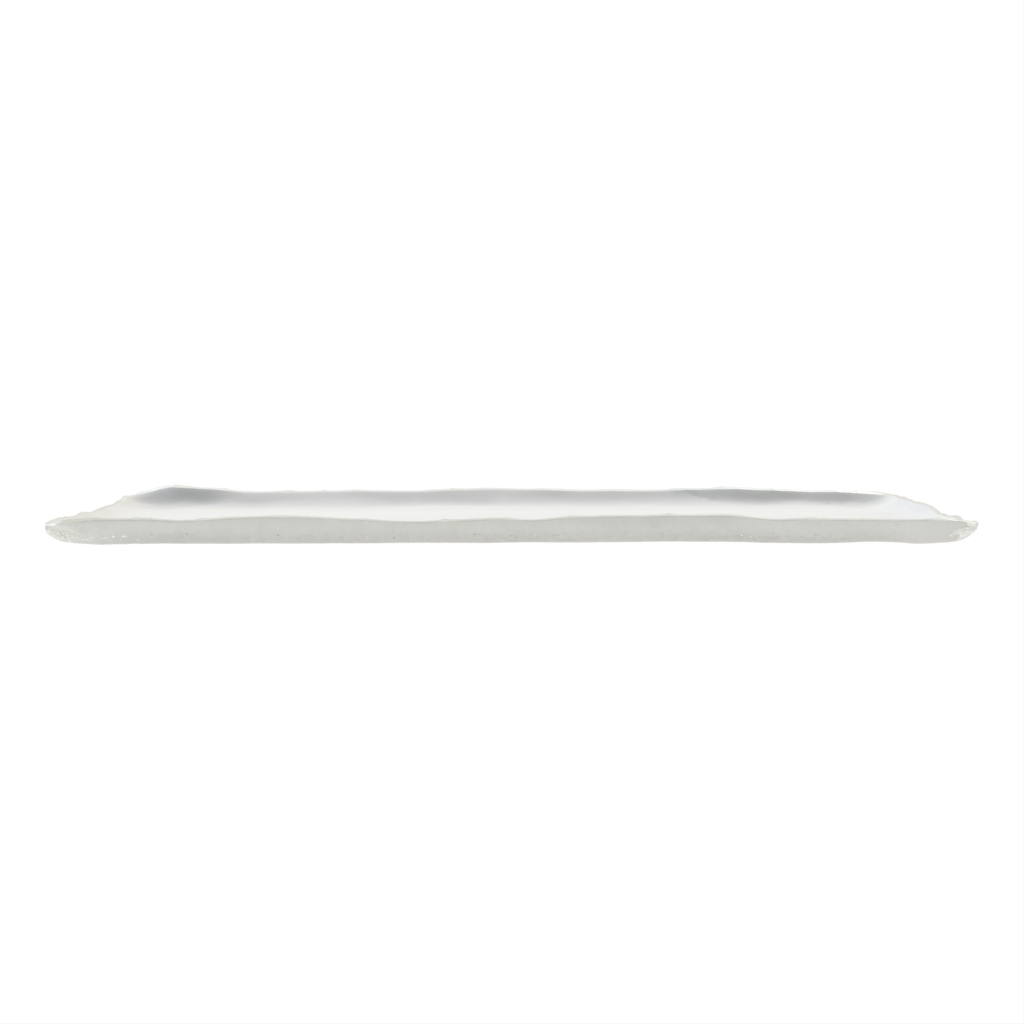
Polished clear is the most common specification. Matte-frosted is the second most common: under dim restaurant lighting it reads closer to stone or slate, which suits Japanese dining rooms with a stripped-back interior. Smoke tint in either finish appears frequently in rooms with a darker palette. A sushi board matched to room decisions at the design phase fits without adjustment — one sourced afterwards fits around them. The Japanese food styling project shows how glass surfaces interact with the tones and textures of Japanese presentation.
Modern sushi plates for fusion and hotel dining
The Asian style dinnerware range covers shaped pieces for Japanese-adjacent service contexts. For other raw seafood formats in the same serving family, oyster trays and caviar servers are produced in glass from the same commission process. The Basic Line catalogue covers core glass formats used in precision plating contexts across the range.
Sushi Board Commissions: Process and Specifications
A sushi board commission begins with service format: cover count, pieces per board, plating style, individual or shared. From that MyGlassStudio confirms whether a standard format or custom mould is correct. A non-porous surface across the full board is the baseline — everything else is confirmed at sampling. Browse an individual sushi serving tray for format and finish detail.
For new openings, 12 to 16 weeks from first enquiry to delivery is the right window. Brief earlier if the property has a hard opening date.
Pairing sushi serving plates with the wider table set
A Japanese programme that includes raw oysters and caviar alongside sushi typically commissions oyster trays and caviar servers from the same glass batch as the sushi serving plates. Matched glass lots across these pieces keeps the set reading as a set in service rather than a collection of separate decisions.
FAQ
What is a sushi board and how does it differ from a sushi plate?
A sushi board is a flat, elongated piece used to present multiple pieces of sushi or sashimi at once — typically for shared service. A sushi plate is a smaller individual-service format for one or two guests in a plated-course format. Both are available in glass.
What size do restaurants typically specify for a sushi board?
Shared boards for two to four guests: 35 cm to 50 cm. Individual omakase-format pieces: 20 cm to 28 cm. Custom sizing is available for specific service requirements.
Is glass hygienic for raw fish service?
Glass is non-porous and does not harbour bacteria the way wood or composite board materials do. It does not absorb fish odour and cleans fully in a commercial dishwasher cycle.
Can a sushi serving board include a custom logo?
Yes. Custom logo printing is available. The printed mark is permanent and food-safe. It reads subtly on a polished clear board and more visibly on a matte-frosted surface.
What surface finish is most common for fine dining Japanese restaurants?
Polished clear and matte-frosted are the two most common. Polished clear maximises reflectivity. Matte-frosted suits a more restrained, material-led interior. Smoke tint in either finish is common for darker palettes.
How does a glass sushi board compare to a wooden board for commercial service?
Wood warps, absorbs odour, and requires specific cleaning protocols. Glass is dimensionally stable, odour-neutral, and dishwasher safe. A wooden board may suit a rustic concept. Glass suits restaurants where hygiene and precision are explicit values of the dining experience.
What is the lead time for a sushi board commission?
Standard range: 6 to 10 weeks from confirmed order. Bespoke with custom dimensions or surface treatment: 10 to 16 weeks. Minimum 14-week runway recommended for new openings.
Are sushi serving trays available in a footed format?
Yes. Footed and raised formats are available for presentations where vertical height is part of the service concept. Most common in private dining and banquet contexts.
Can the full sushi service set be commissioned together?
Yes — and that is the recommended approach. Commissioning sushi boards, individual serving plates, and companion specialty pieces together from one glass batch ensures consistent finish and tint across the full set under service conditions.