
Asian Dinnerware and Asian Tableware for Hotel Restaurant Service
Watch three kitchens plate. The Japanese chef sets one scallop on a wide flat surface and lets the space do half the work. Down the hall a Chinese banquet builds upward, shared dishes across a turning centre until the cloth disappears. A Thai cook reaches for a small deep bowl that carries broth, garnish, and protein together. Three cuisines. Three vessel logics. Not one of them is the round European plate with a raised rim, and that gap is why asian dinnerware became its own discipline.
Bespoke glass closes it. Instead of the nearest catalogue match, the property gets the actual form. The crafted glass body that runs through the rest of the full shaped dinnerware collection bends to whatever the kitchen asks for, a wide flat plate for that scallop one night and a deep well for a consomme poured at the pass the next.
Why should a fine dining operator care about any of this? Identity, mostly. Run a pan-Asian restaurant beside a European fine dining one and the worst outcome is two spaces that look bought from different companies. Piecemeal sourcing does that. Share a glass body and a colour and a finish across both, though, and the rooms start reading as one building. A ramen bowl in deep teal answers the charger at the next table. Guests rarely name the effect. They feel it settle before the first dish lands.
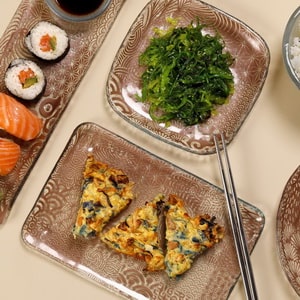
Light is the detail buyers tend to miss. Ceramic swallows it. Glass keeps some and gives it back, so a glaze that falls flat under a downlight on stoneware picks up depth on a handmade glass plate. That counts double in a lobby lounge of dark wood and brass, where a plate either answers the materials or quietly argues with them. A made-to-order glass body hands the kitchen that choice, because the colour and finish get picked for the room rather than pulled from a warehouse range designed to please everyone. Specify a whole modern asian dinnerware service this way and it speaks one language instead of stacking up as separate orders.
There is a cost argument too, though it is rarely the first one made. Stock ranges get discontinued. A colour you built a room around vanishes from the supplier list, and the replacement never quite matches. A commissioned glass body removes that risk, because the property owns the custom specification and can reorder against it for years. The asian plates and bowls bought today can still be matched in five seasons, which is what makes asian style dinnerware worth specifying as a fixed asset rather than a recurring spend.


Japanese Sushi Plate in Light Blue
P5-S6-01-SA110232
Length: 30.5 cm; Width: 10.0 cm;
Height: 1.5 cm
Masterpack Qty: 12
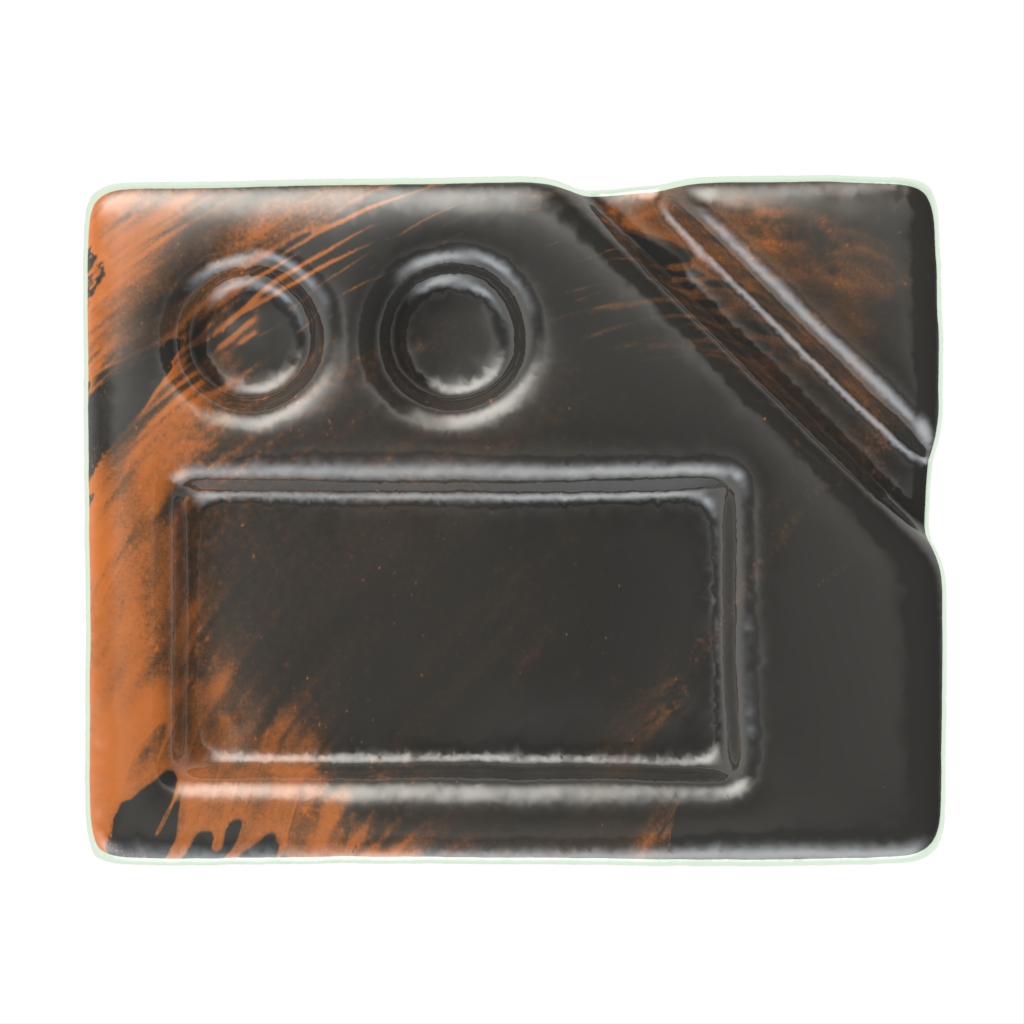

Japanese Sushi Plate in Dark Gray
S1-F3-77-BT471024
Length: 29.8 cm; Width: 24.0 cm;
Height: 1.8 cm
Masterpack Qty: 8


Sushi Serving Plate in Birch White
S1-F3-77-BT410243
Length: 29.8 cm; Width: 24.0 cm;
Height: 1.8 cm
Masterpack Qty: 8


Rectangular Sushi Plate in Golden Brown
P5-S6-01-BT022413
Length: 30.5 cm; Width: 10.0 cm;
Height: 1.5 cm
Masterpack Qty: 12


Sushi Serving Plate in Golden Brown
P5-S6-00-BT022413
Length: 23.0 cm; Width: 15.0 cm;
Height: 1.0 cm
Masterpack Qty: 12


Japanese Sushi Plate in Dark Gray
P5-S6-00-BT471413
Length: 23.0 cm; Width: 15.0 cm;
Height: 1.0 cm
Masterpack Qty: 12


Rectangular Sushi Plate in Birch White
P5-S6-01-AQZ410291
Length: 30.5 cm; Width: 10.0 cm;
Height: 1.5 cm
Masterpack Qty: 12


Sushi Serving Tray in Birch White
P5-S6-00-AQZ410450
Length: 23.0 cm; Width: 15.0 cm;
Height: 1.0 cm
Masterpack Qty: 12
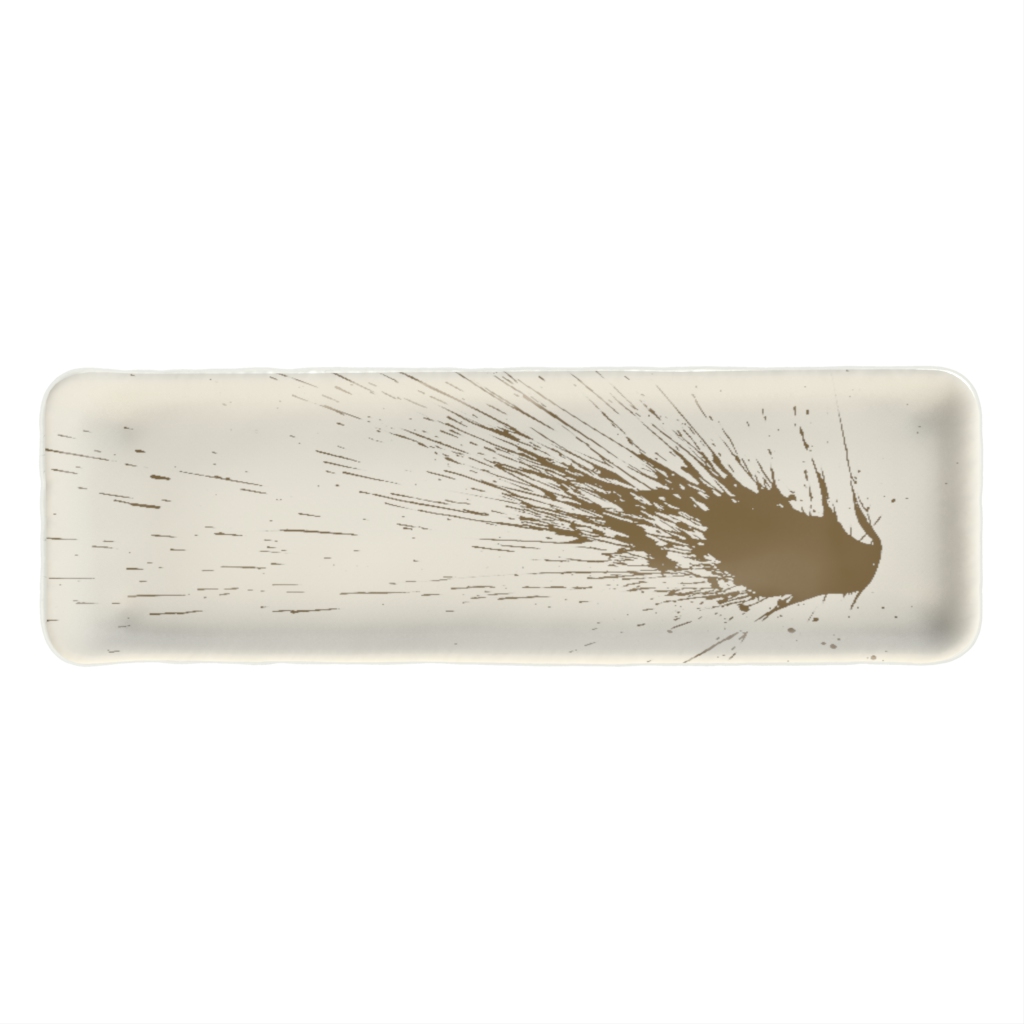

Japanese Sushi Tray in Birch White
P5-S6-01-SA410592
Length: 30.5 cm; Width: 10.0 cm;
Height: 1.5 cm
Masterpack Qty: 12


Rectangular Sushi Plate in Olive Gray
P2-S5-02-CR0592
Length: 30.0 cm; Width: 20.0 cm;
Height: 1.2 cm
Masterpack Qty: 10


Japanese Sushi Tray in Olive Gray
P5-S6-01-CR0592
Length: 30.5 cm; Width: 10.0 cm;
Height: 1.5 cm
Masterpack Qty: 12
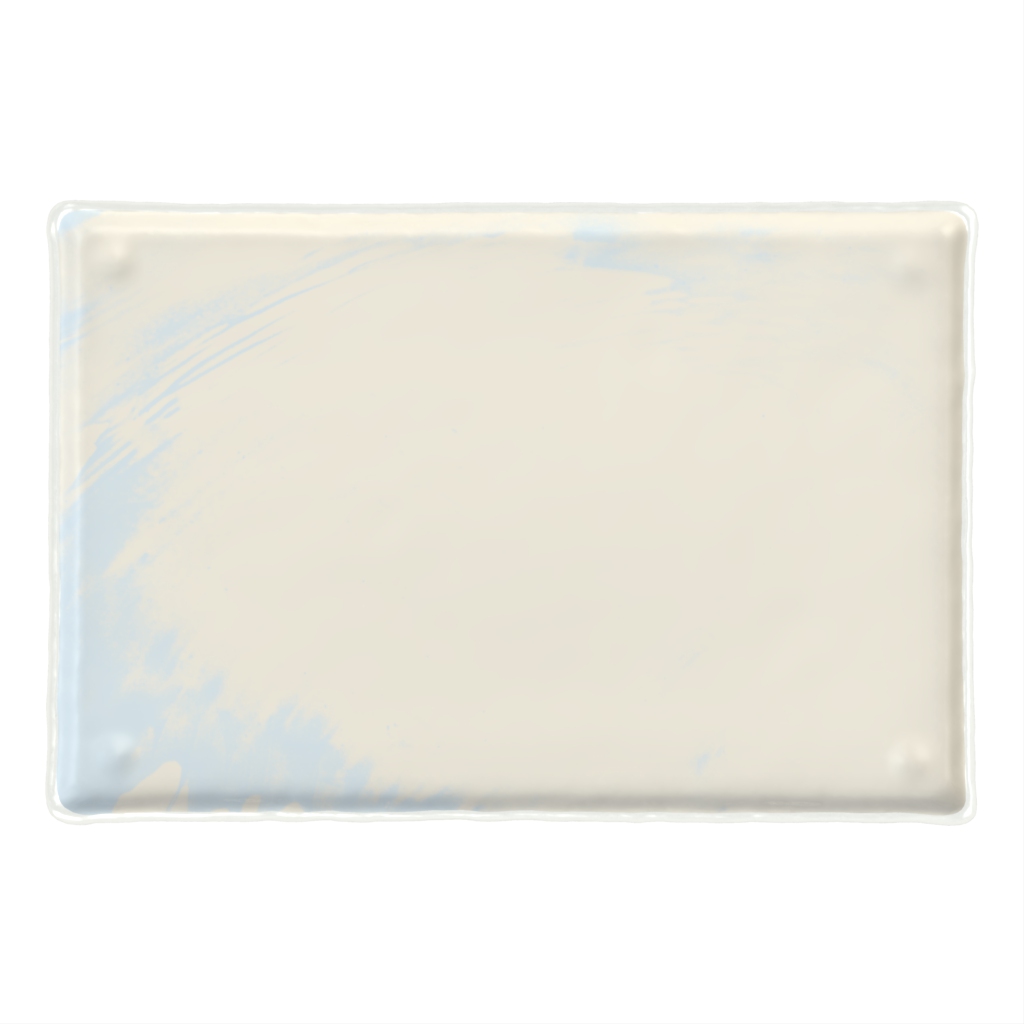
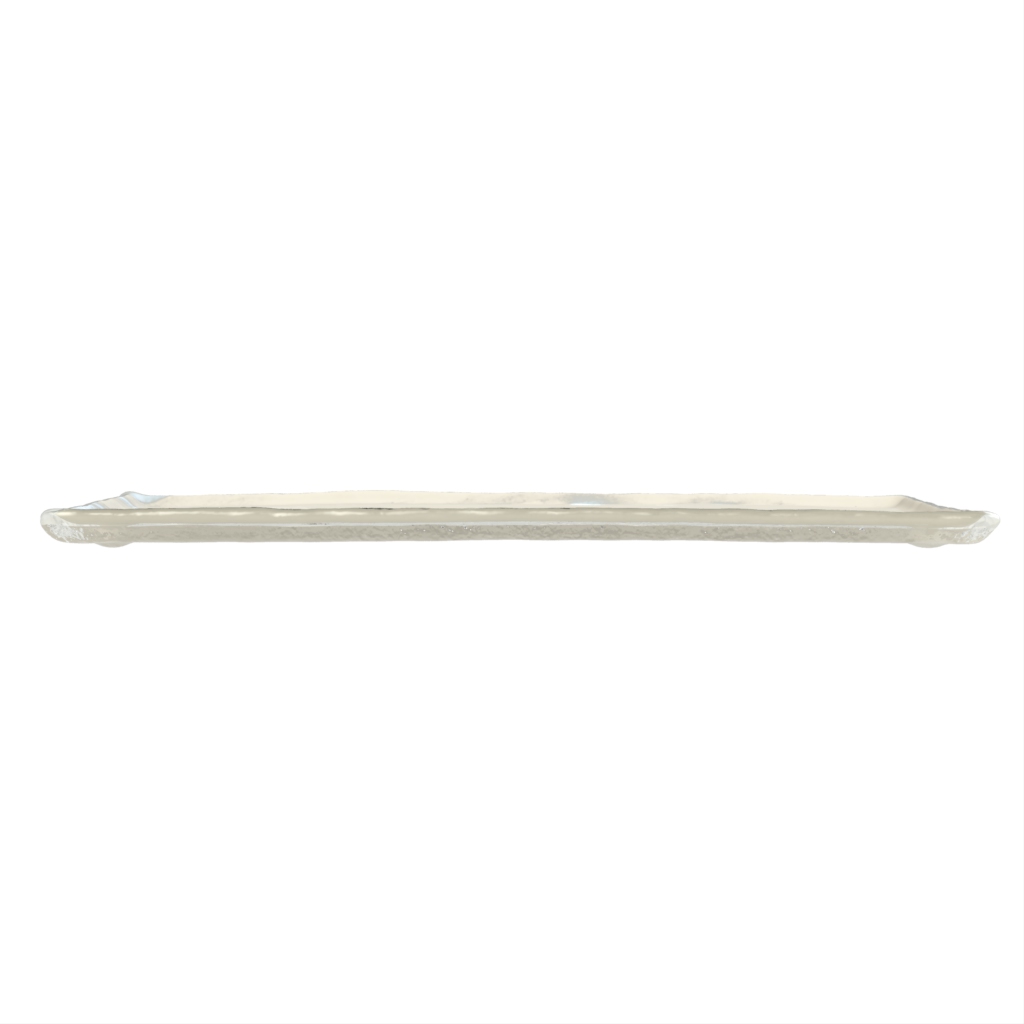
Japanese Sushi Plate in Birch White
P2-S5-02-BT41011
Length: 30.0 cm; Width: 20.0 cm;
Height: 1.2 cm
Masterpack Qty: 10


Japanese Sushi Plate in Birch White
P5-S6-00-BT41011
Length: 23.0 cm; Width: 15.0 cm;
Height: 1.0 cm
Masterpack Qty: 12


Rectangular Sushi Plate in Birch White
P5-S6-01-BT41011
Length: 30.5 cm; Width: 10.0 cm;
Height: 1.5 cm
Masterpack Qty: 12
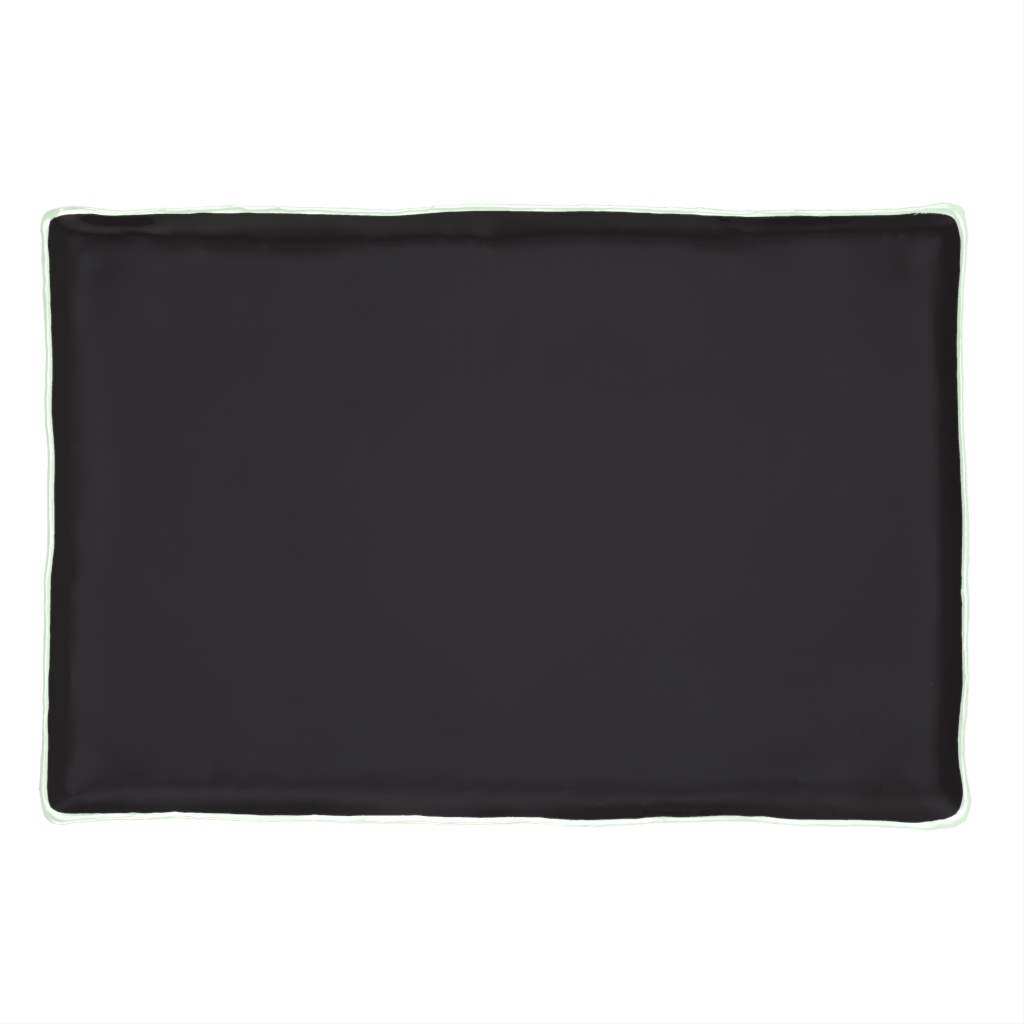
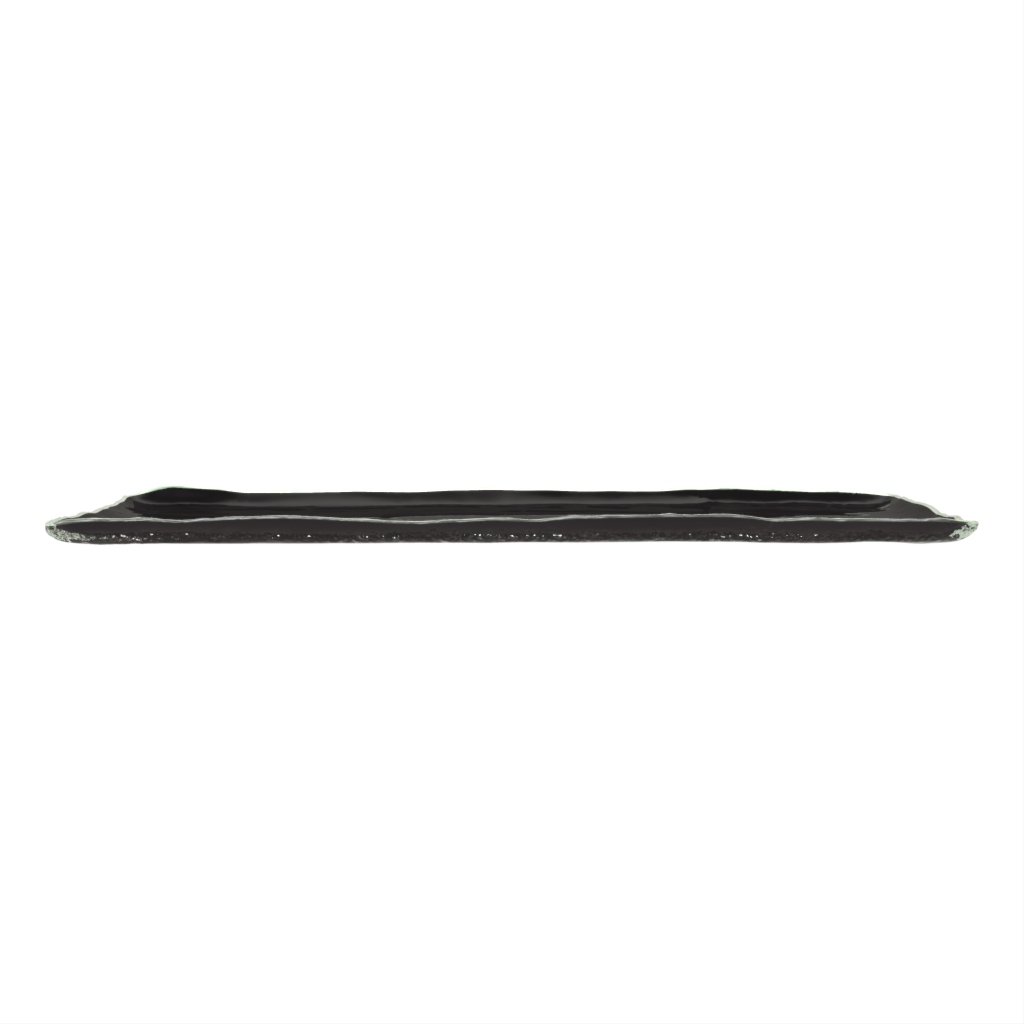
Rectangular Sushi Plate in Black
P2-S5-05-SRT43
Length: 30.0 cm; Width: 20.0 cm;
Height: 1.2 cm
Masterpack Qty: 10


Sushi Serving Plate in Black
P5-S6-05-SRT43
Length: 23.0 cm; Width: 15.0 cm;
Height: 1.0 cm
Masterpack Qty: 12

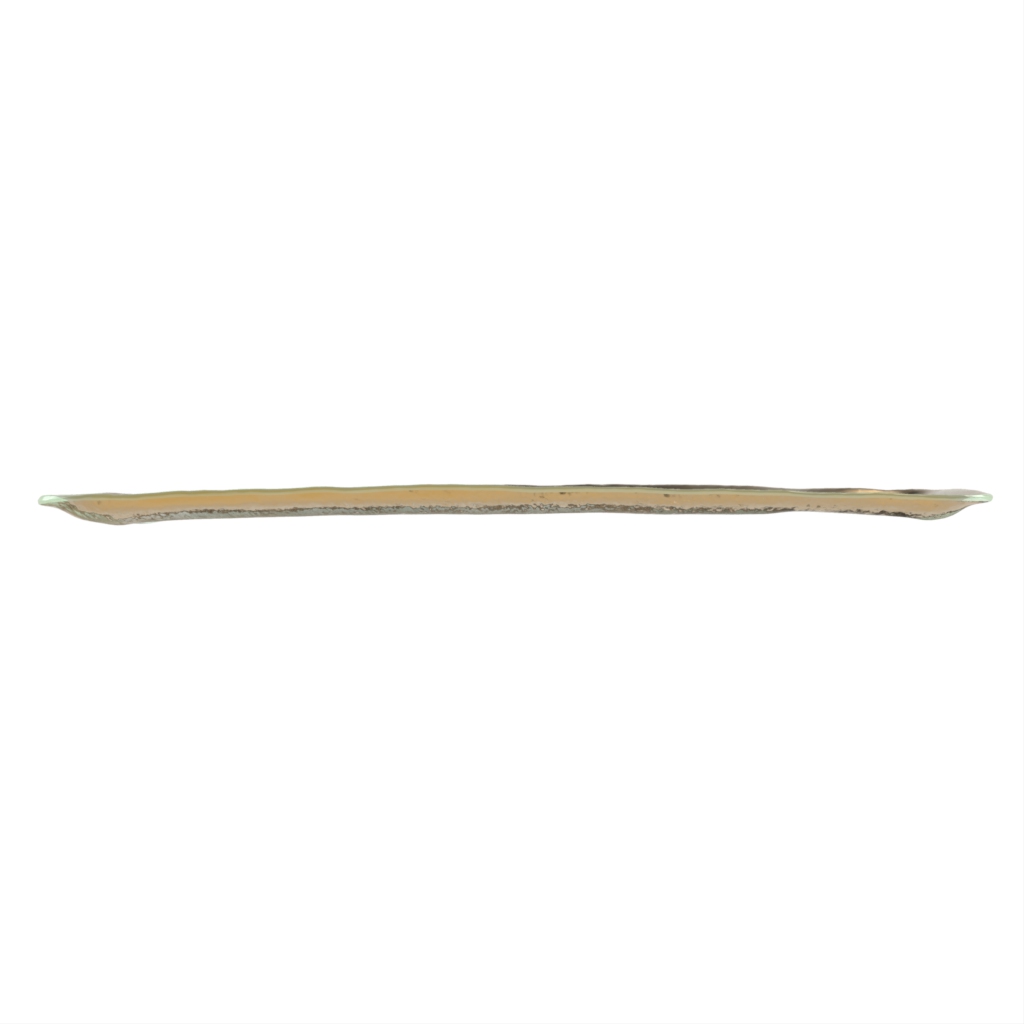
Rectangular Sushi Plate in Pure Gold
P5-S6-06-SRT21
Length: 30.5 cm; Width: 10.0 cm;
Height: 1.5 cm
Masterpack Qty: 10

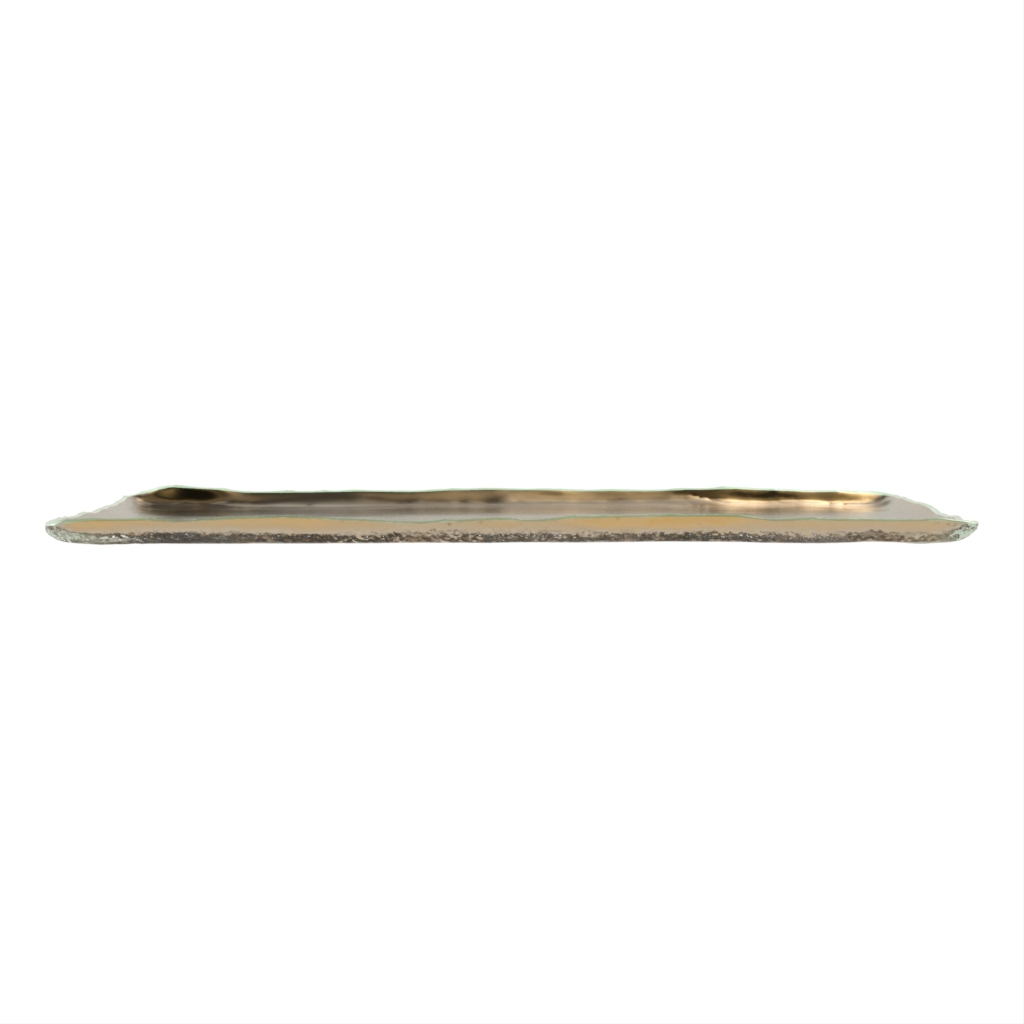
Rectangular Sushi Plate in Pure Gold
P2-S5-05-SRT21
Length: 30.0 cm; Width: 20.0 cm;
Height: 1.2 cm
Masterpack Qty: 10

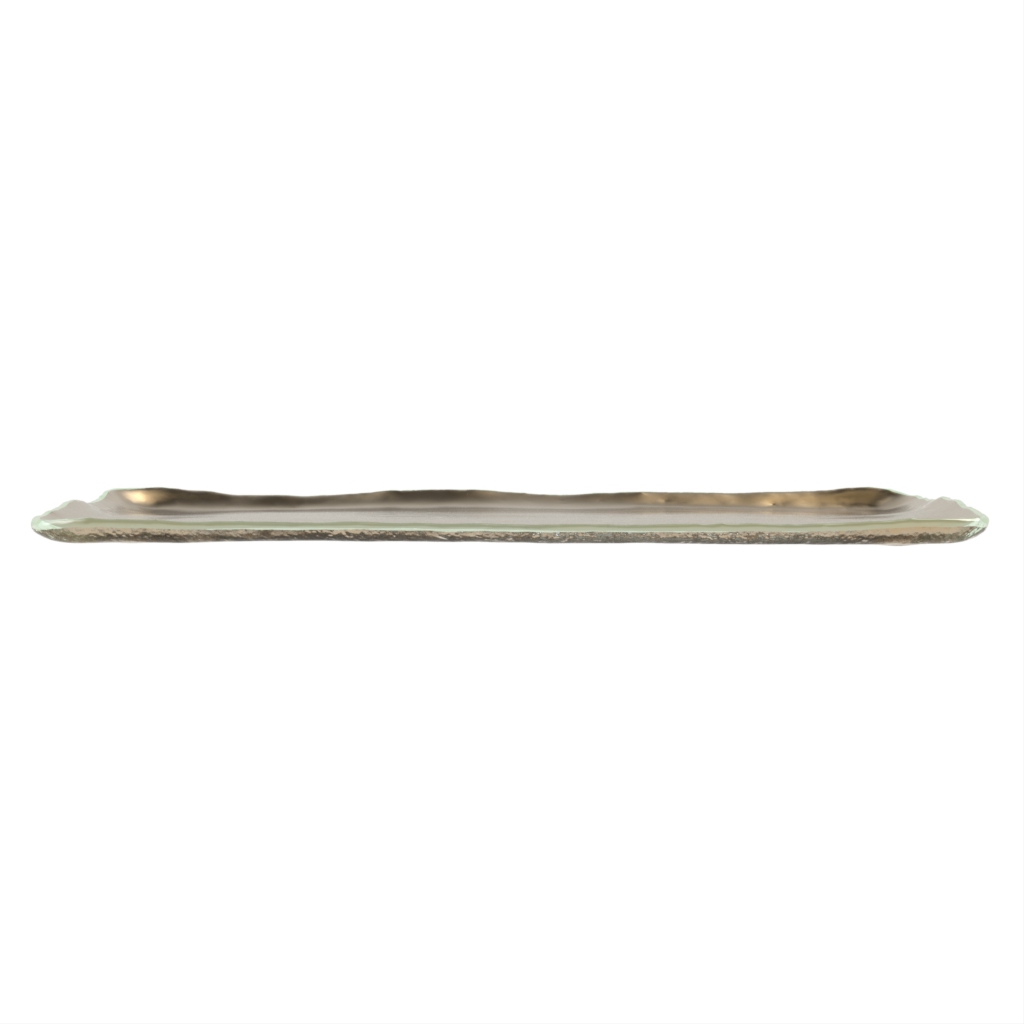
Sushi Serving Plate in Pure Gold
P5-S6-05-SRT21
Length: 23.0 cm; Width: 15.0 cm;
Height: 1.0 cm
Masterpack Qty: 12

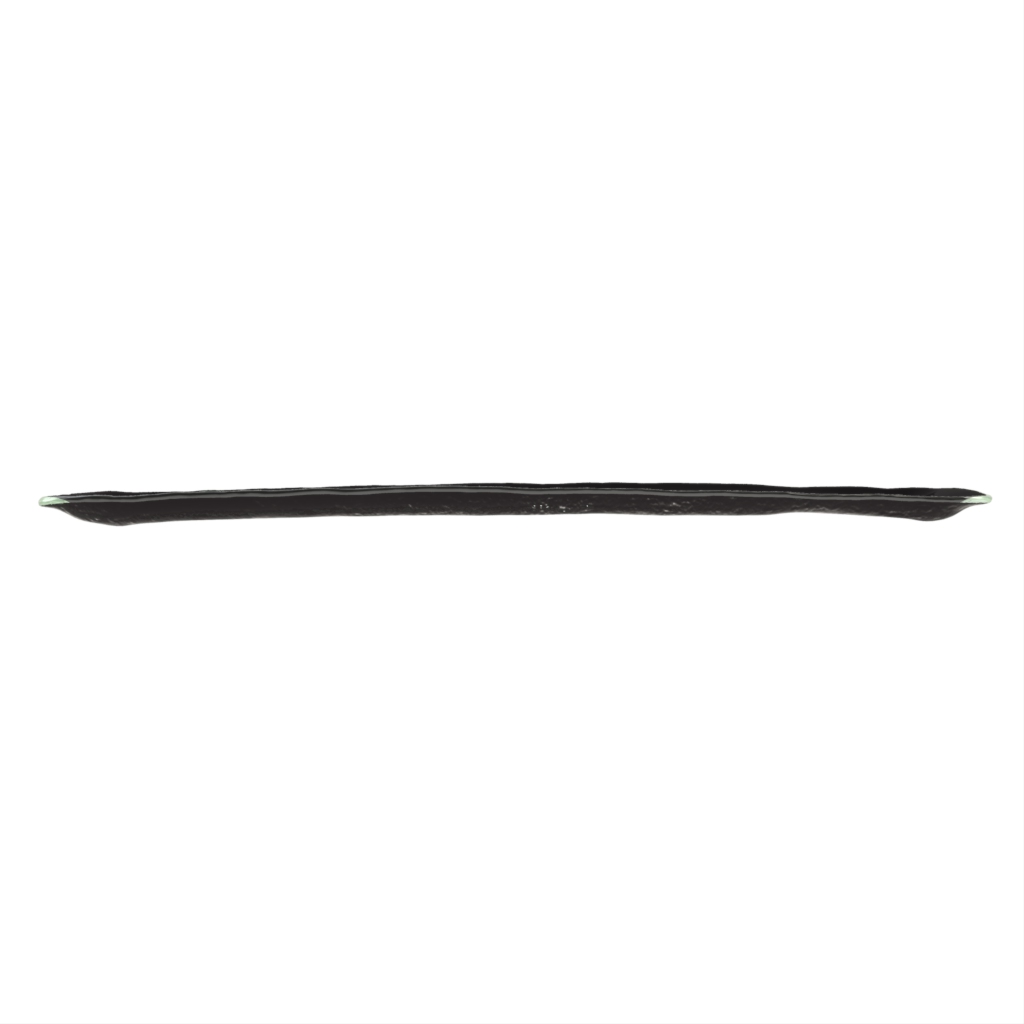
Rectangular Sushi Plate in Black
P5-S6-06-SRT43
Length: 30.5 cm; Width: 10.0 cm;
Height: 1.5 cm
Masterpack Qty: 10
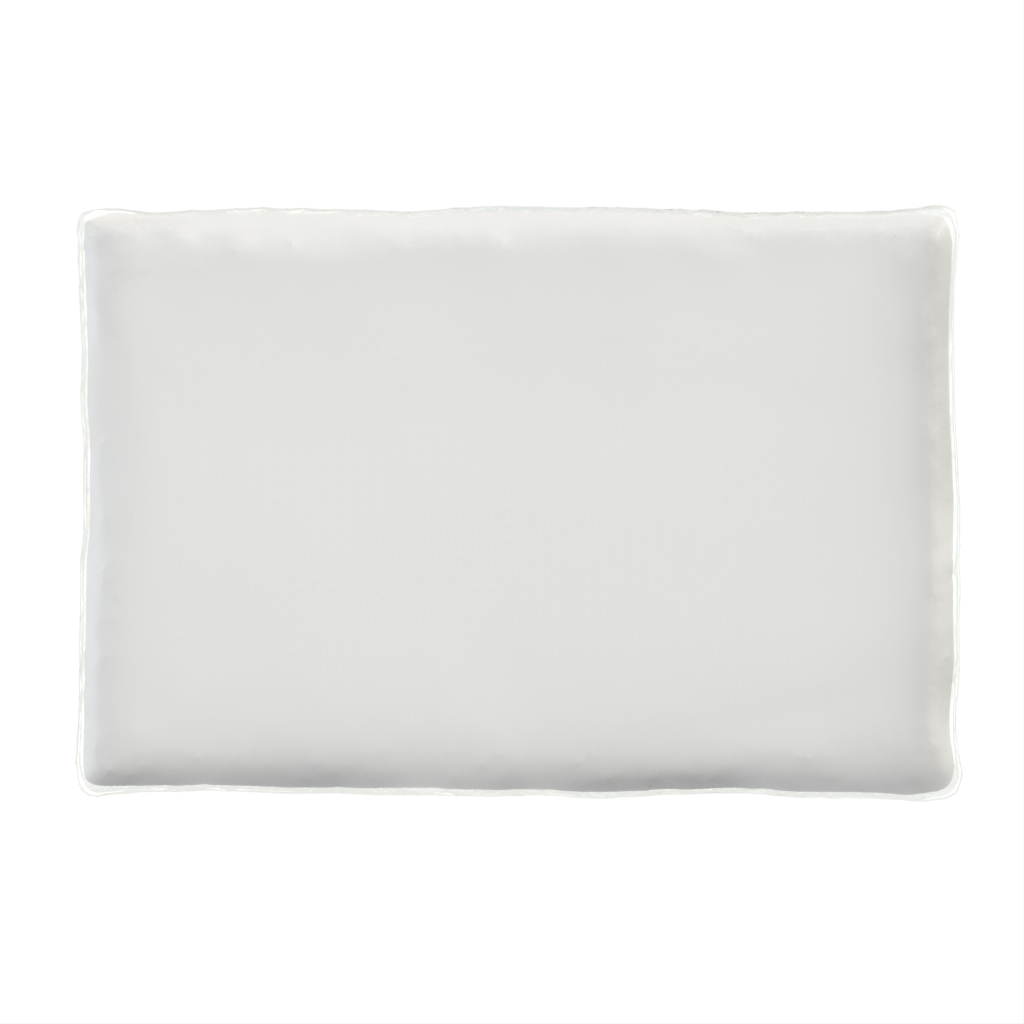
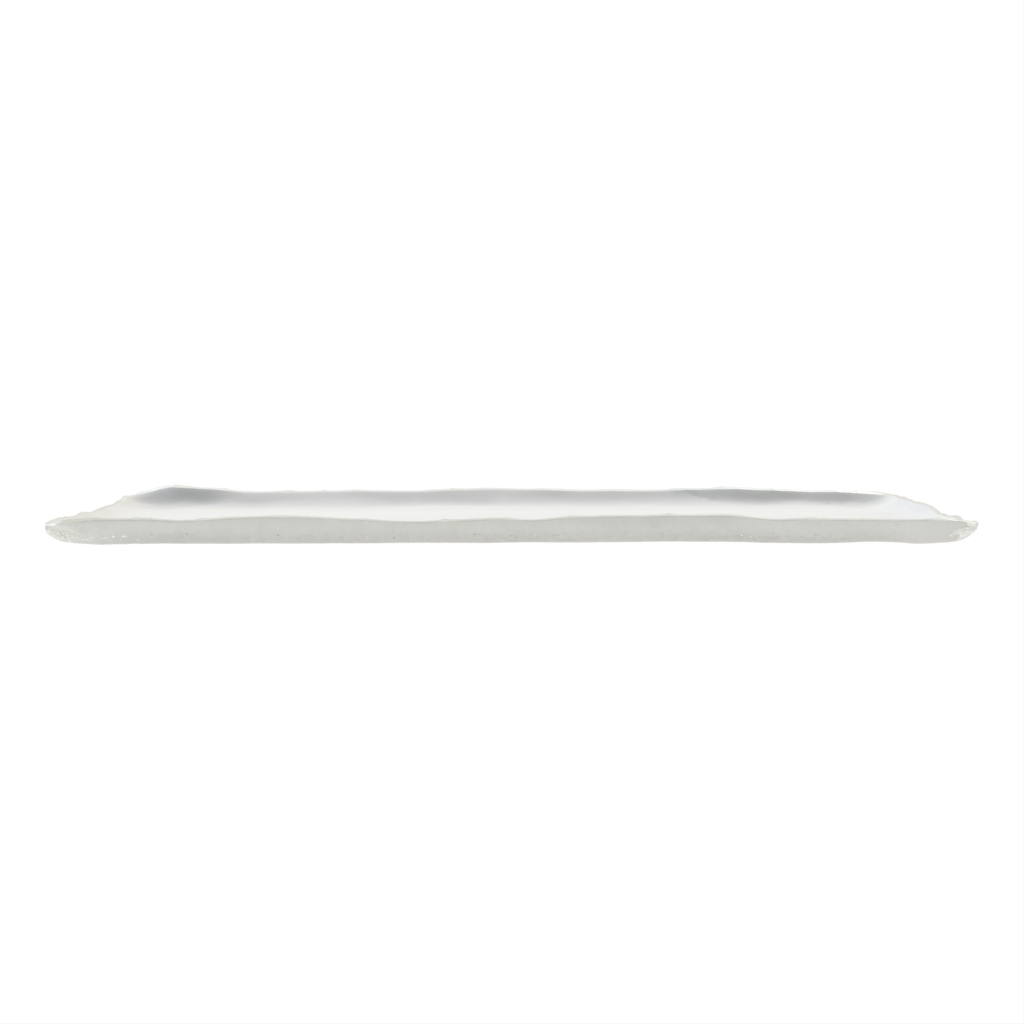
Japanese Sushi Plate in Milk White
Length: 30.0 cm; Width: 20.0 cm;
Height: 1.2 cm
Masterpack Qty: 10
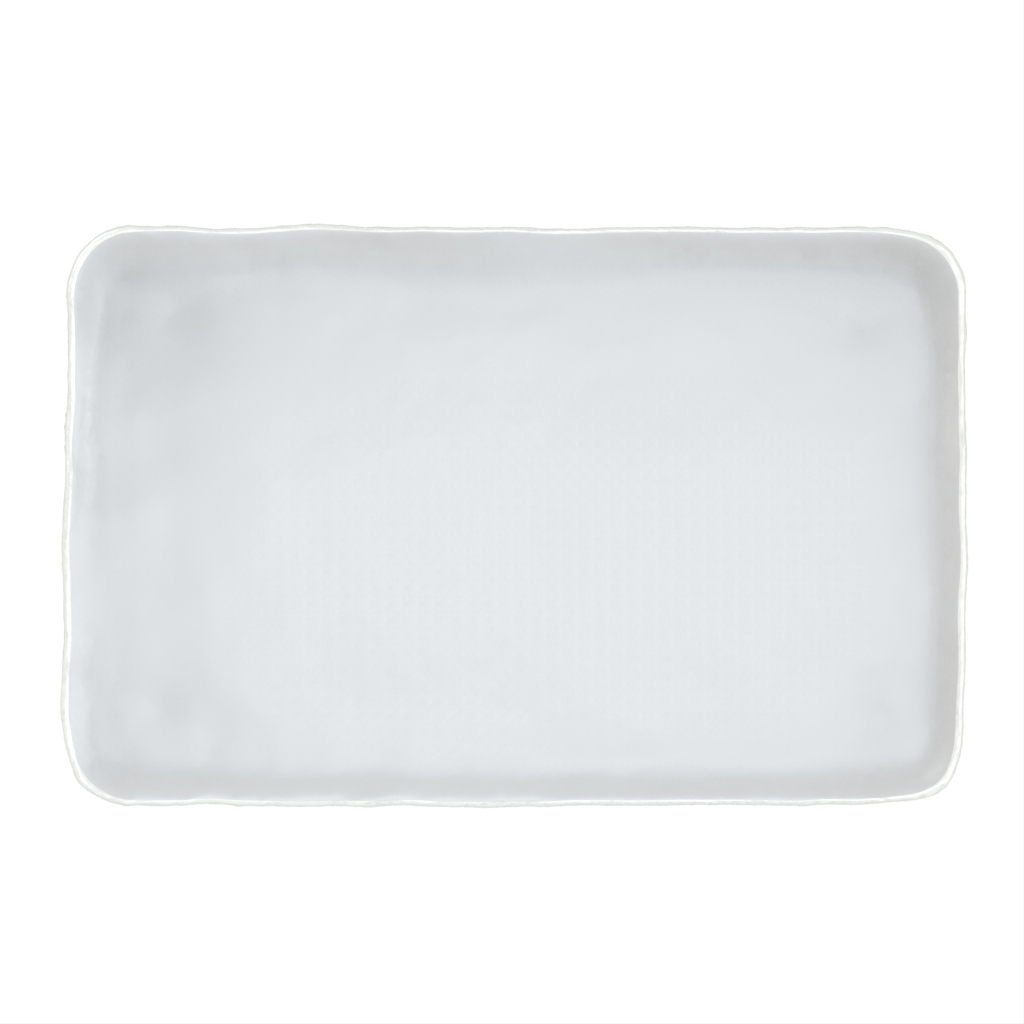
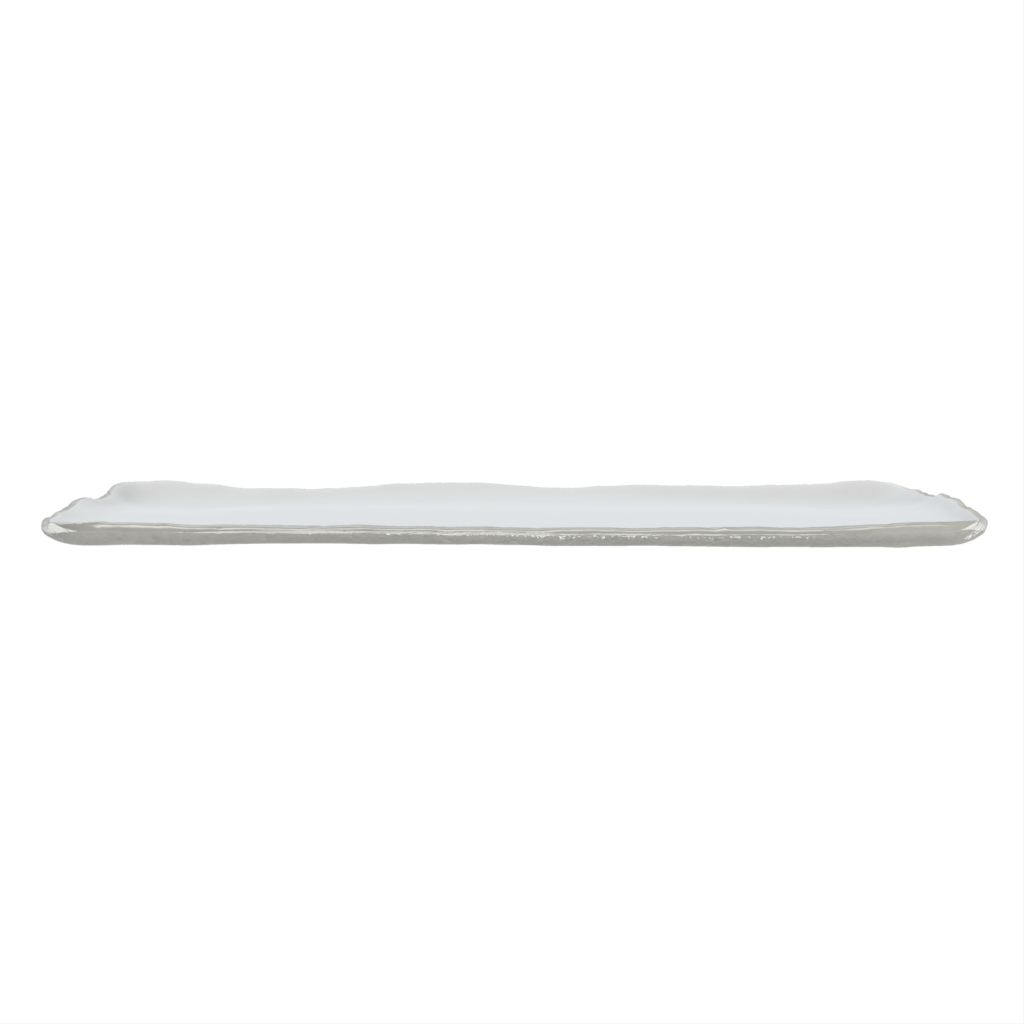
Sushi Serving Plate in Milk White
Length: 23.0 cm; Width: 15.0 cm;
Height: 1.0 cm
Masterpack Qty: 12


Boat Shaped Bowl in Dark Gray
S2-F2-06-SR471
Length: 27.4 cm; Width: 9.5 cm;
Height: 2.8 cm
Masterpack Qty: 6


Tapas Plate in Birch White
S2-F2-06-AQZ410450
Length: 27.4 cm; Width: 9.5 cm;
Height: 2.8 cm
Masterpack Qty: 6


Tapas Serving Dish in Almond Beige
S2-F2-06-BT413471
Length: 27.4 cm; Width: 9.5 cm;
Height: 2.8 cm
Masterpack Qty: 6


Tapas Plate in Birch White
S2-F2-06-CR41
Length: 27.4 cm; Width: 9.5 cm;
Height: 2.8 cm
Masterpack Qty: 6


Tapas Plate in Light Silver Gray
S2-F2-06-BT0232038
Length: 27.4 cm; Width: 9.5 cm;
Height: 2.8 cm
Masterpack Qty: 6


Tapas Plate in Olive Gray
S2-F2-06-CR0592
Length: 27.4 cm; Width: 9.5 cm;
Height: 2.8 cm
Masterpack Qty: 6


Tapas Plate in Light Blue
S2-F2-06-BT01141
Length: 27.4 cm; Width: 9.5 cm;
Height: 2.8 cm
Masterpack Qty: 6