
Dinner Plates with High Sides in Bespoke Designer Glass
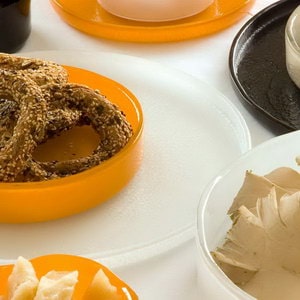
Dinner plates with high sides sit between two things a kitchen already owns. The format has the flat base of a plate and the standing wall of a bowl, and that pairing does work neither shape manages alone. The same idea runs through a few related profiles, so dinner plates with lip, dinner plates with raised edges, lipped dinner plates, and plates with high edges all describe a version of the same containment story, equally at home in a contemporary fine dining room or a pared-back, almost nordic minimal setting. The wall holds a sauce, a poured consomme, or a braised element inside the composition, while the eye still reads the piece as a plate rather than a bowl. For a chef plating a liquid-led course that should not run to the rim, that is the whole point. MyGlassStudio makes dinner plates with high sides in designer glass for fine dining rooms and hotel restaurant service, and you can see how the format sits alongside the wider Shaped Dinnerware collection or in the broader range of glass fine dining plates and dinnerware.
Glass earns its place here because the colour is fused into the body, not laid on top. A high wall catches light at an angle a flat plate never shows, so a deep emerald or a warm amber reads with real depth around the curve. The piece is non-porous, so a tomato-rich sauce or a citrus reduction leaves no stain in the well. And the thermoformed body stays light in the hand, which matters when a server carries four across a long room. None of that is decoration. It is what lets a designer plate behave like a working one.
There is a practical side for bar food and finger food service too. A modern lobby lounge running small bites needs a vessel that presents a portion cleanly and keeps the components from sliding when plates are stacked on a tray. The high side frames the food and holds it through carry, so a composed bar snack arrives looking the way the kitchen intended. The custom colour does the rest, signalling that the bar programme was designed with the same care as the main restaurant.


Seafood Tower Set in Glass With Texture
SC-18-20-X40-W
Diameter: 36.3 cm
Height: 20.0 cm
Masterpack Qty: 2

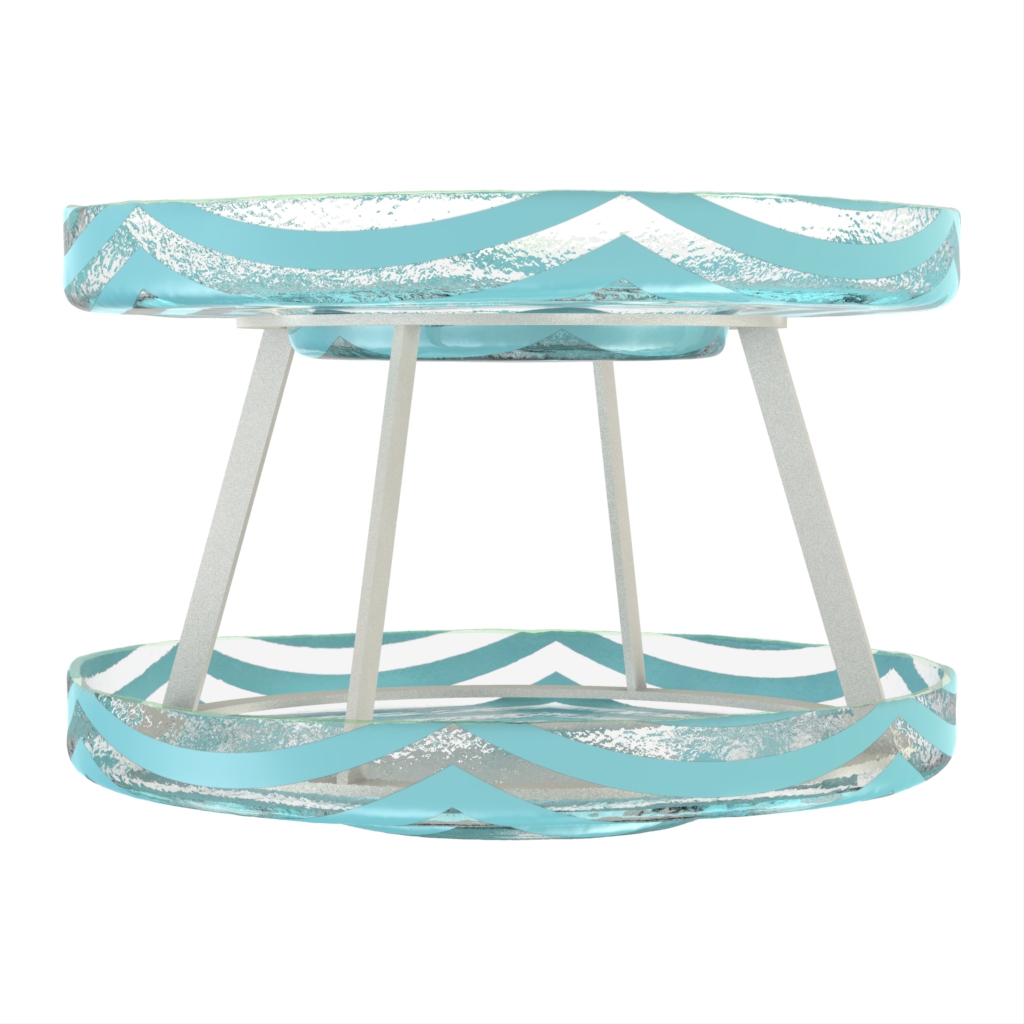
Seafood Server in Porcelain Blue
SC-18-20-HEX115-T
Diameter: 36.3 cm
Height: 20.0 cm
Masterpack Qty: 2


Glass Serving Bowl in Birch White
B2-C2-22-SS41011
Diameter: 17.6 cm
Height: 4.0 cm
Masterpack Qty: 4


Glass Serving Bowl in Birch White
B2-C2-22-BT41022
Diameter: 17.6 cm
Height: 4.0 cm
Masterpack Qty: 4


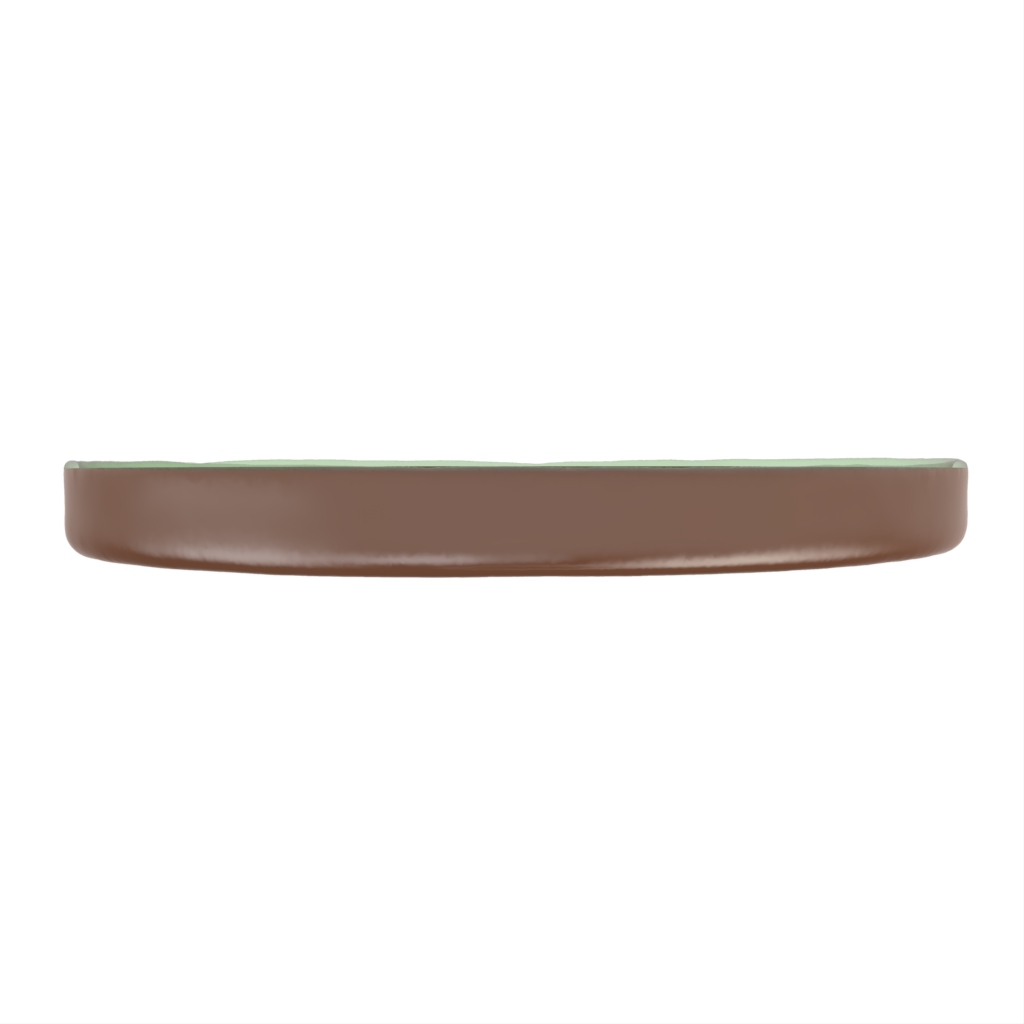
Large Serving Platter in Tobacco Brown
F1-C2-20-SR026
Diameter: 31.0 cm
Height: 3.0 cm
Masterpack Qty: 4


Large Serving Platter in Birch White
F1-S6-05-SR41
Length: 61.5 cm; Width: 16.5 cm;
Height: 2.0 cm
Masterpack Qty: 2


Rectangular Serving Platter in Olive Gray
F1-S6-05-SR0592
Length: 61.5 cm; Width: 16.5 cm;
Height: 2.0 cm
Masterpack Qty: 2


Glass Serving Platter in Tobacco Brown
P1-C2-01-SR026
Diameter: 31.0 cm
Height: 2.0 cm
Masterpack Qty: 6


Rectangular Platter in Gray Textured Glass
F1-S6-05-B406
Length: 61.5 cm; Width: 16.5 cm;
Height: 2.0 cm
Masterpack Qty: 2


Glass Serving Platter in Gray Textured Glass
P1-C2-01-B406
Diameter: 31.0 cm
Height: 2.0 cm
Masterpack Qty: 6

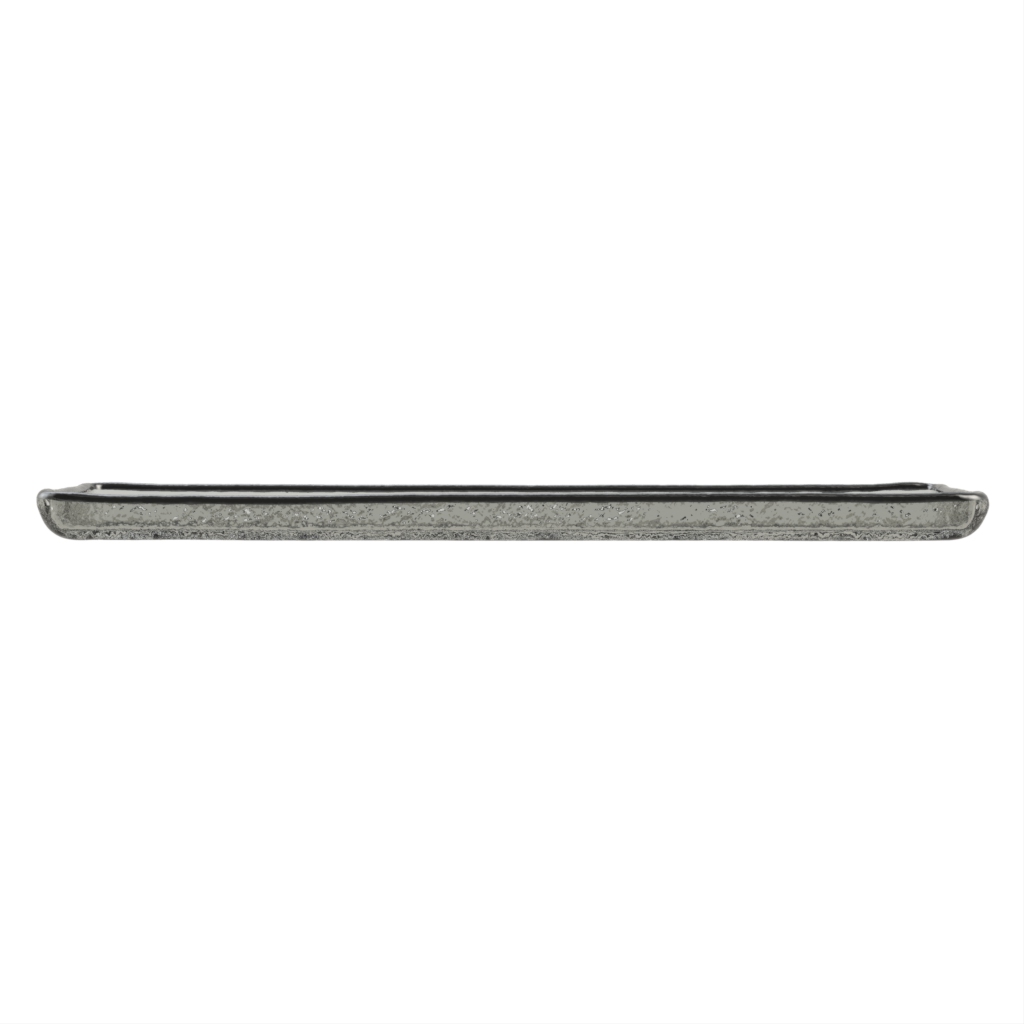
Rectangular Serving Platter in Gray Textured Glass
P2-S6-05-B406
Length: 33.5 cm; Width: 11.5 cm;
Height: 1.8 cm
Masterpack Qty: 4

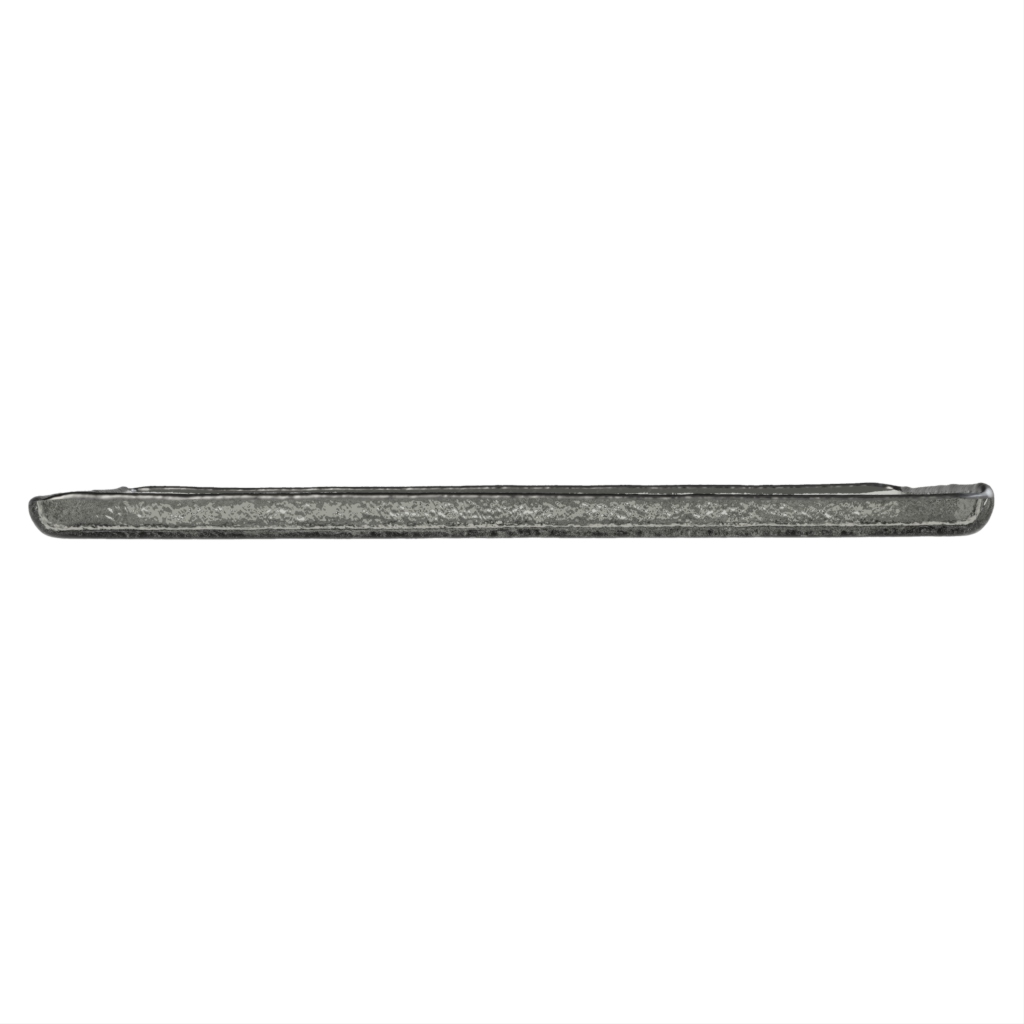
Rectangular Serving Platter in Gray Textured Glass
P1-S6-00-B406
Length: 36.5 cm; Width: 26.5 cm;
Height: 2.0 cm
Masterpack Qty: 6


Rectangular Serving Platter in Golden Brown
F1-S6-05-SR022
Length: 61.5 cm; Width: 16.5 cm;
Height: 2.0 cm
Masterpack Qty: 2


Large Serving Platter in Apricot Crush
F1-C2-20-LCZ0243023
Diameter: 31.0 cm
Height: 3.0 cm
Masterpack Qty: 4


Rectangular Platter in Apricot Crush
F1-S6-05-LCZ0243023
Length: 61.5 cm; Width: 16.5 cm;
Height: 2.0 cm
Masterpack Qty: 2

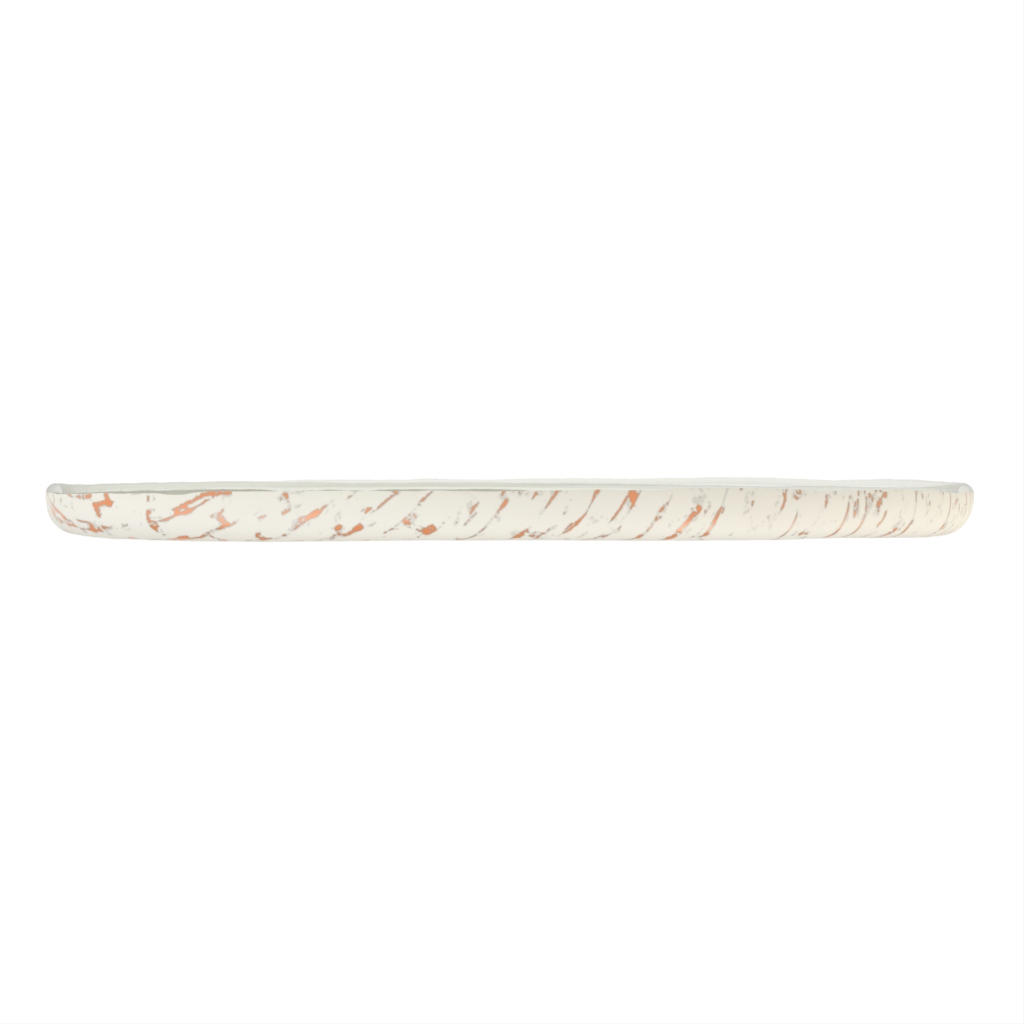
Canape Serving Platter in Birch White
P1-C2-01-LCZ410243
Diameter: 31.0 cm
Height: 2.0 cm
Masterpack Qty: 6

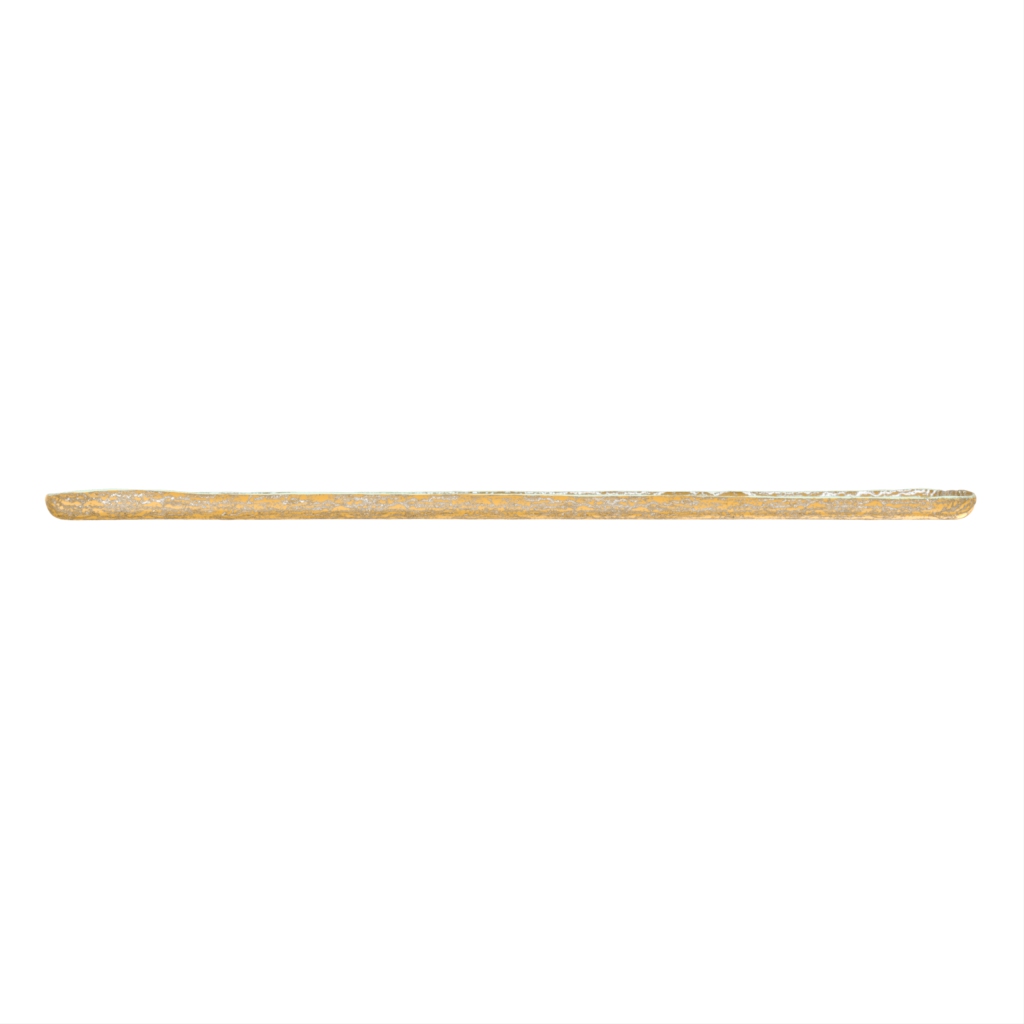
Rectangular Serving Platter in Matte Gold
F1-S6-05-CR021
Length: 61.5 cm; Width: 16.5 cm;
Height: 2.0 cm
Masterpack Qty: 2


Large Serving Platter in Milk White
F1-C2-20-CR422
Diameter: 31.0 cm
Height: 3.0 cm
Masterpack Qty: 4


Canape Serving Platter in Matte Gold
P1-C2-01-CR021
Diameter: 31.0 cm
Height: 2.0 cm
Masterpack Qty: 6
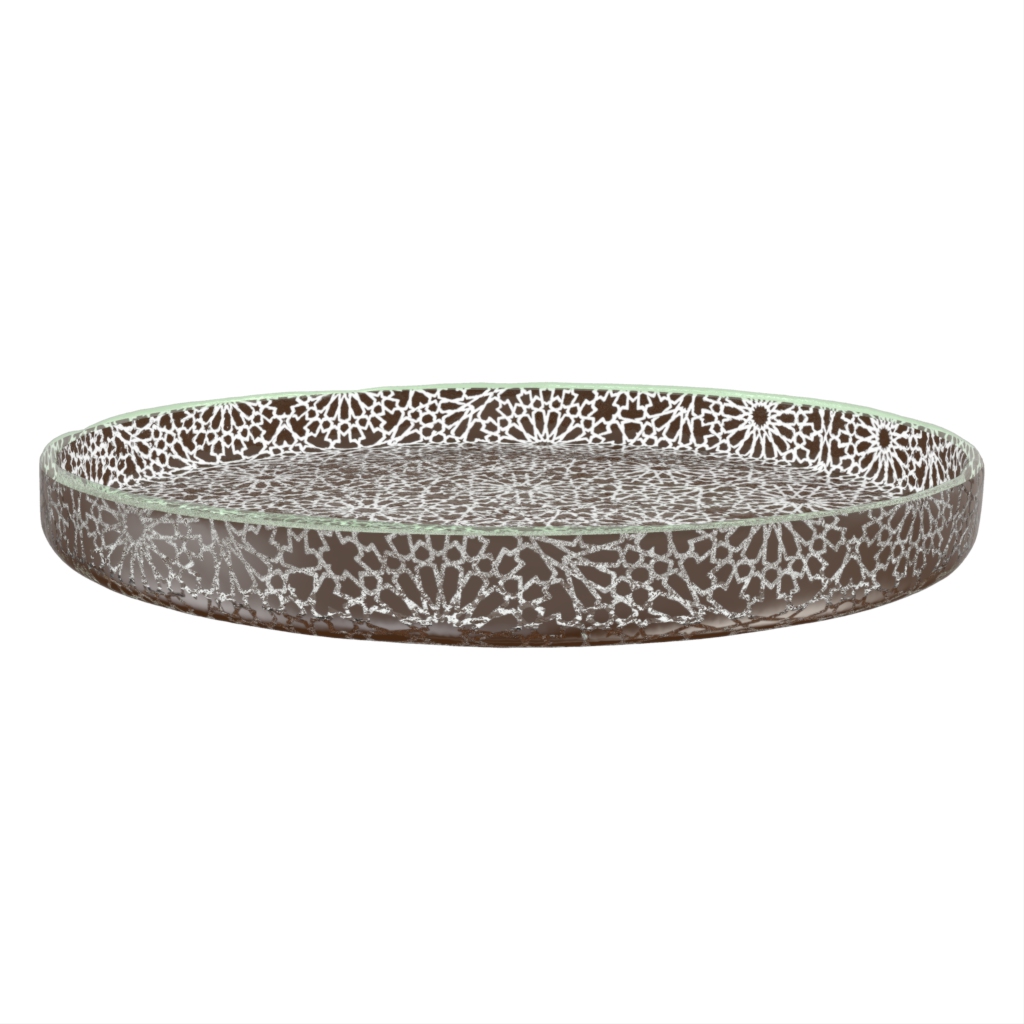
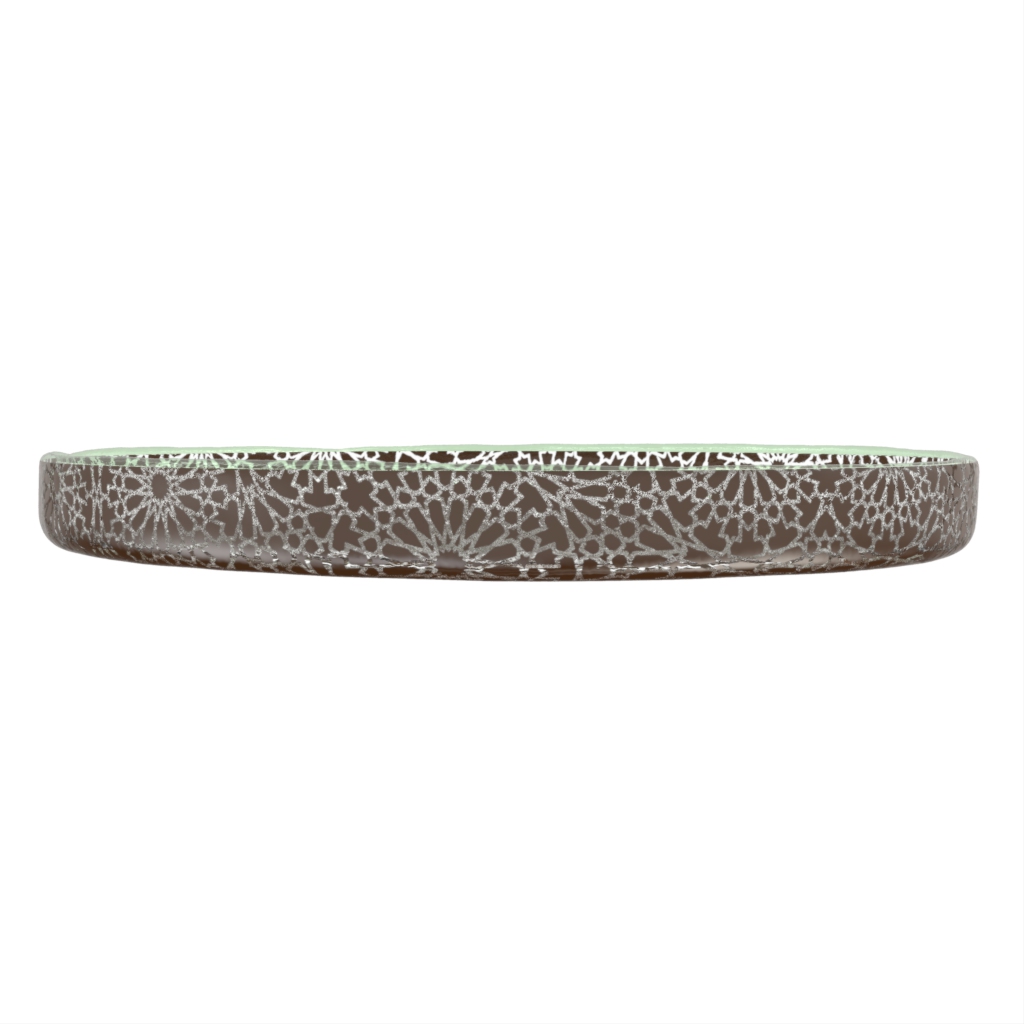

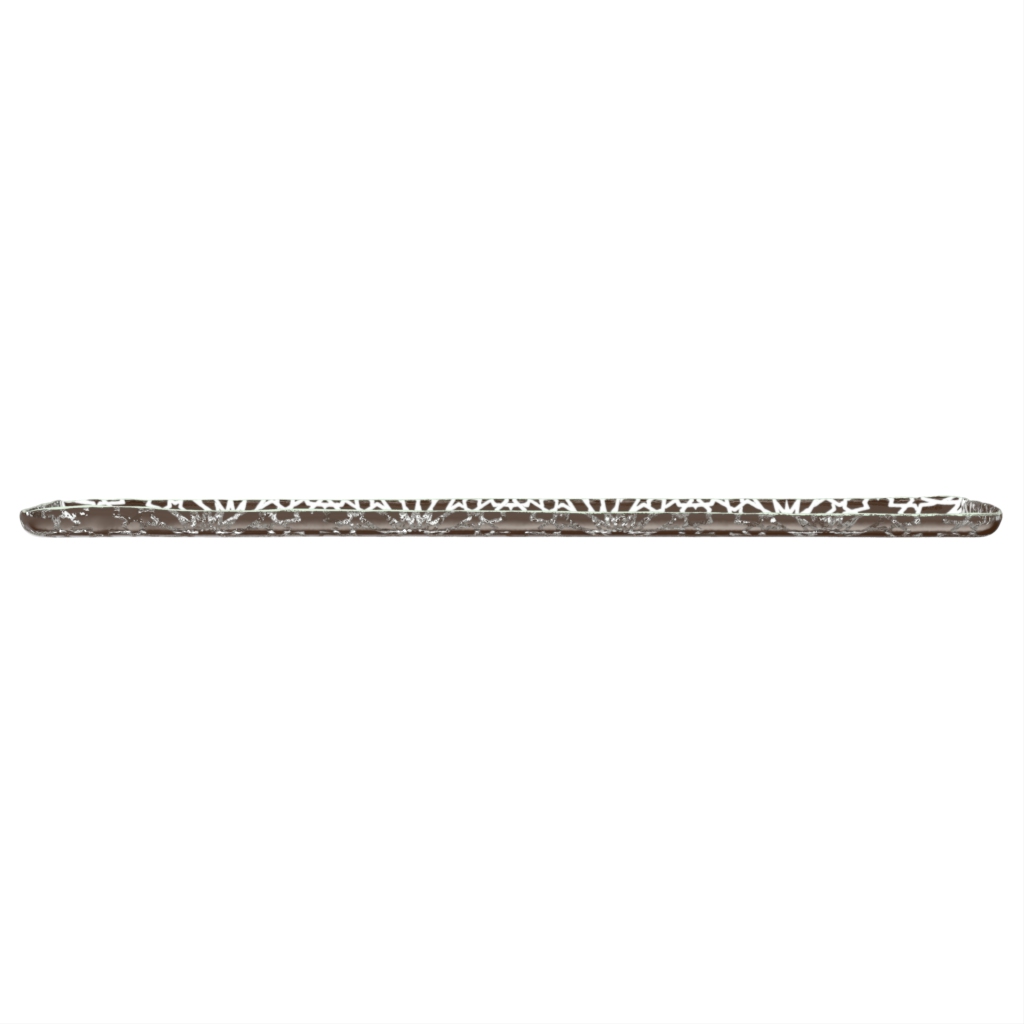
Rectangular Platter in Golden Brown
F1-S6-05-ACF022
Length: 61.5 cm; Width: 16.5 cm;
Height: 2.0 cm
Masterpack Qty: 2

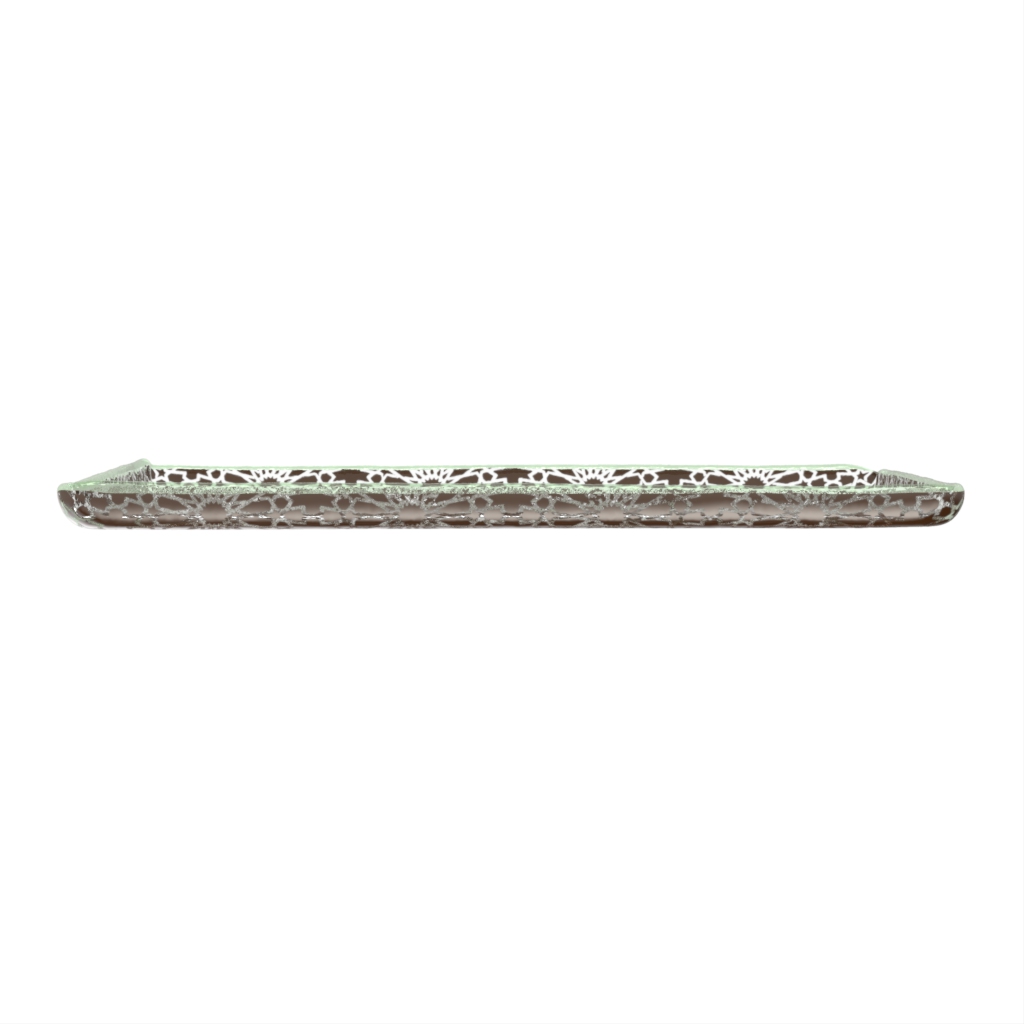
Rectangular Platter in Golden Brown
P1-S6-00-ACF022
Length: 36.5 cm; Width: 26.5 cm;
Height: 2.0 cm
Masterpack Qty: 6

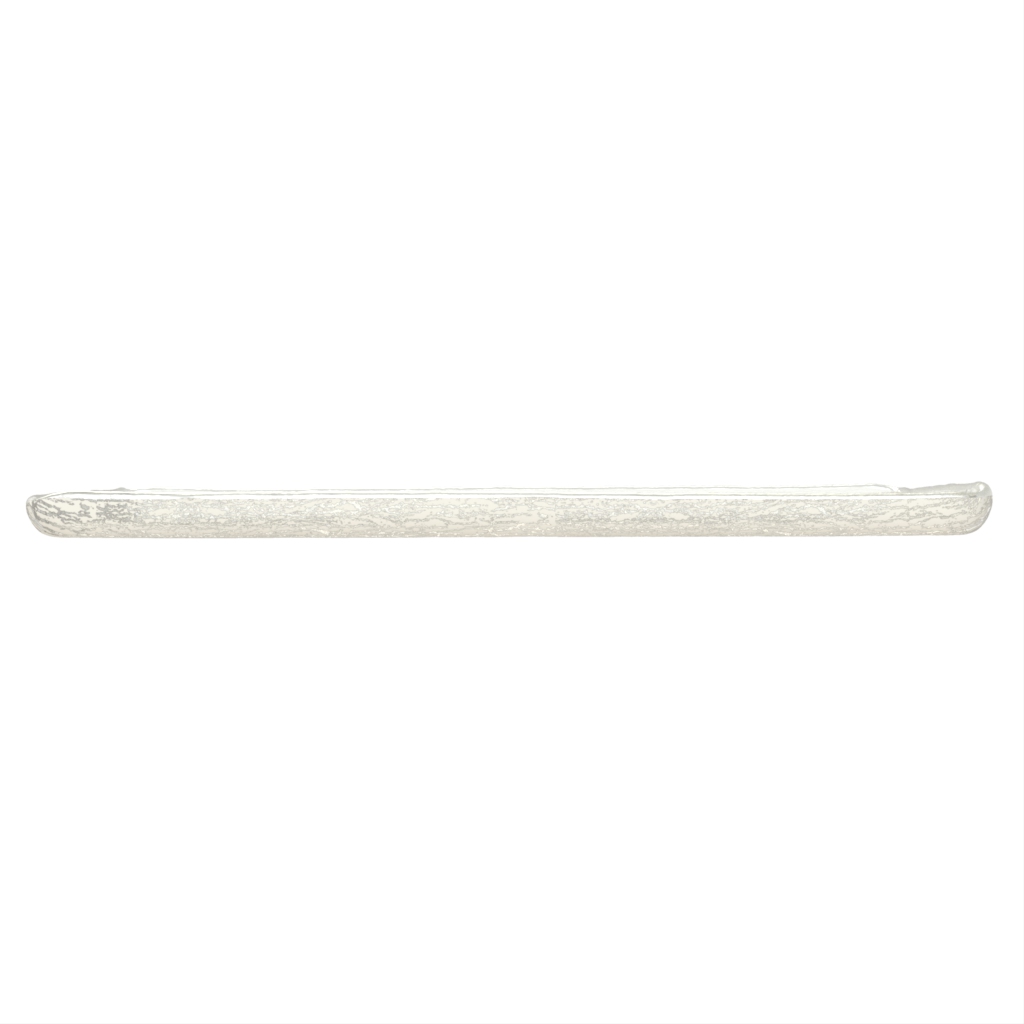
Canape Serving Platter in Birch White
P1-S6-00-CR41
Length: 36.5 cm; Width: 26.5 cm;
Height: 2.0 cm
Masterpack Qty: 6


Canape Serving Platter in Golden Brown
P1-C2-01-ACF022
Diameter: 31.0 cm
Height: 2.0 cm
Masterpack Qty: 6


Canape Serving Platter in Birch White
P1-C2-01-CR41
Diameter: 31.0 cm
Height: 2.0 cm
Masterpack Qty: 6

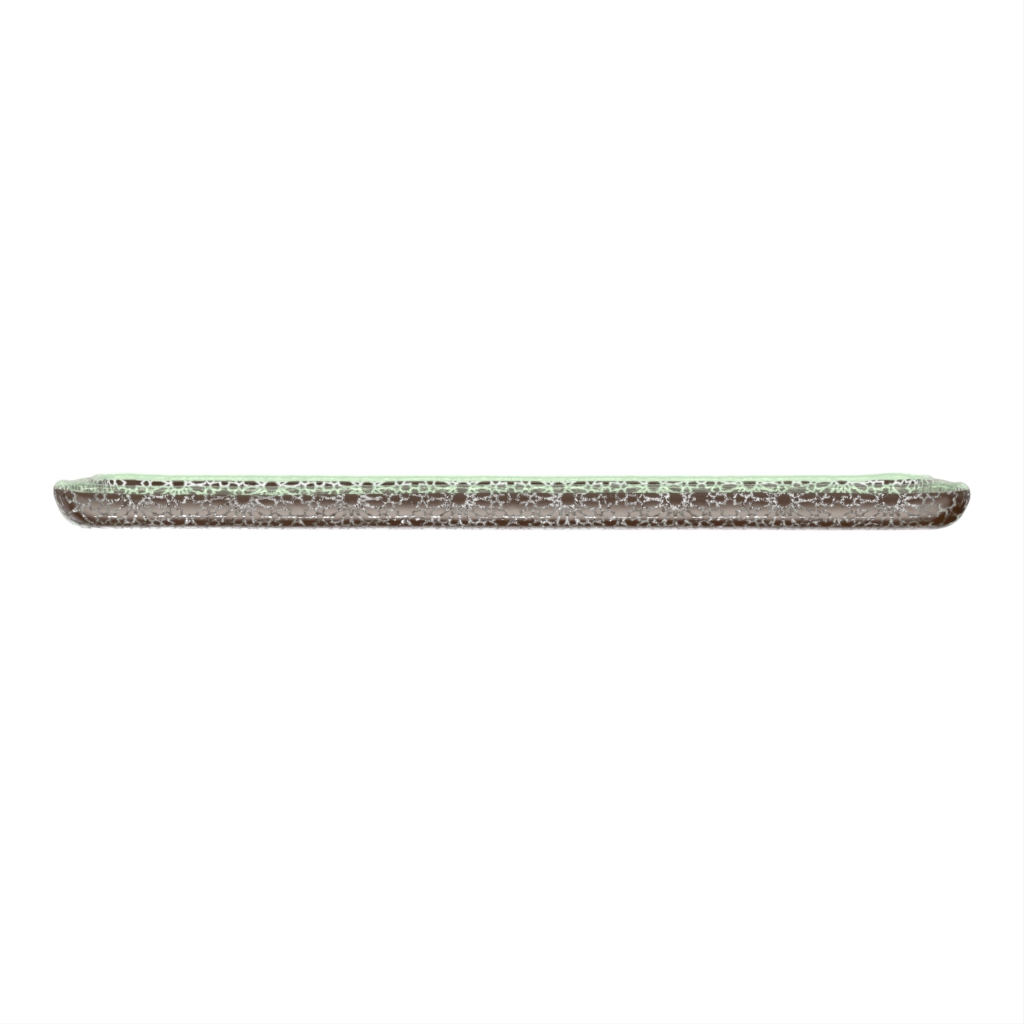
Rectangular Platter in Golden Brown
P2-S6-05-ACF022
Length: 33.5 cm; Width: 11.5 cm;
Height: 1.8 cm
Masterpack Qty: 4

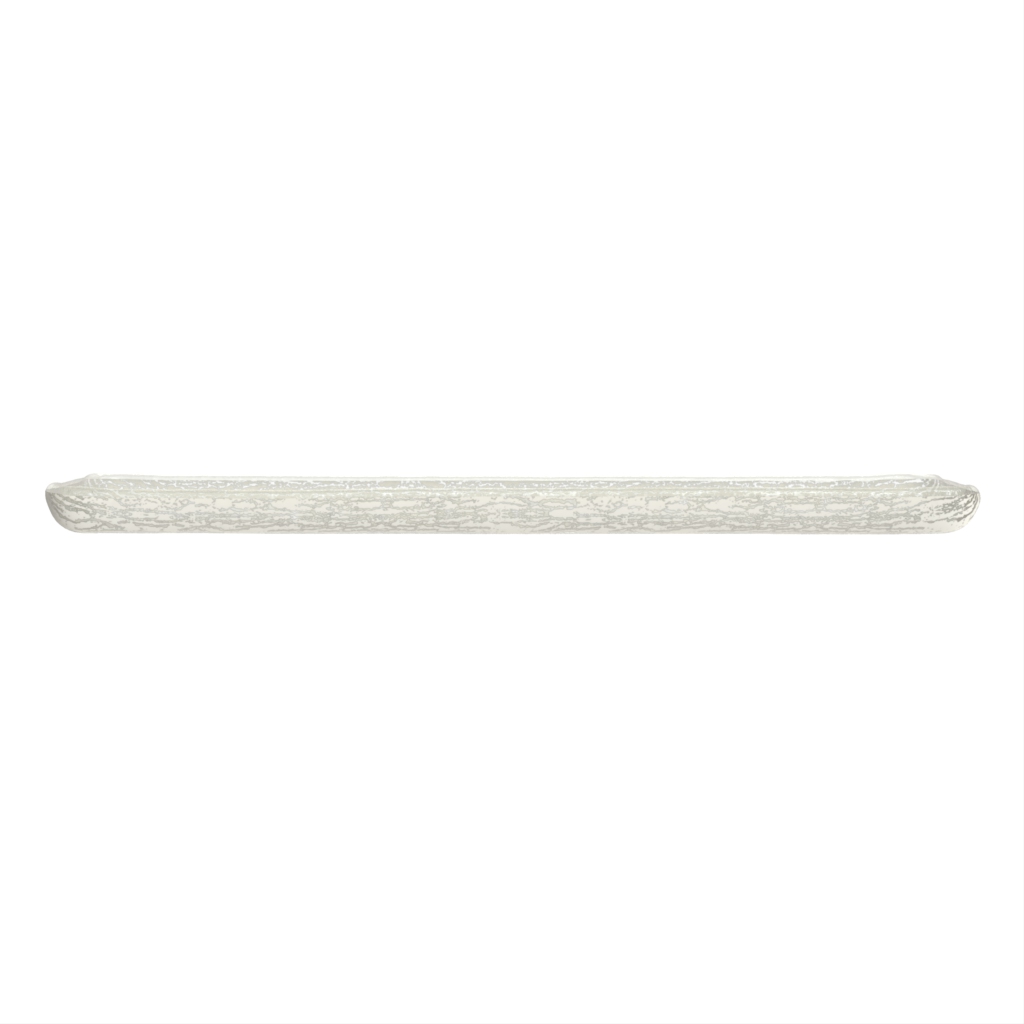
Rectangular Serving Platter in Birch White
P2-S6-05-CR41
Length: 33.5 cm; Width: 11.5 cm;
Height: 1.8 cm
Masterpack Qty: 4

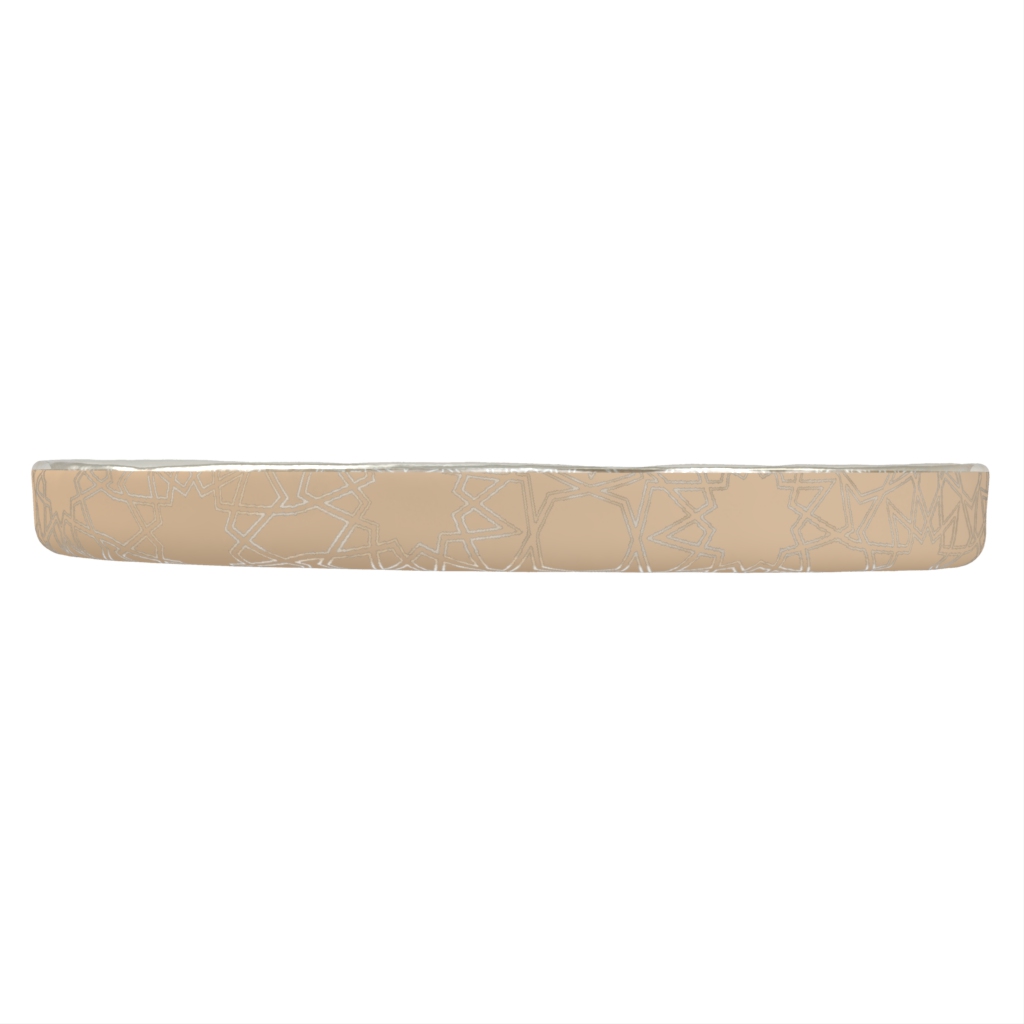
Glass Serving Platter in Almond Beige
F1-C2-20-STAF413
Diameter: 31.0 cm
Height: 3.0 cm
Masterpack Qty: 4

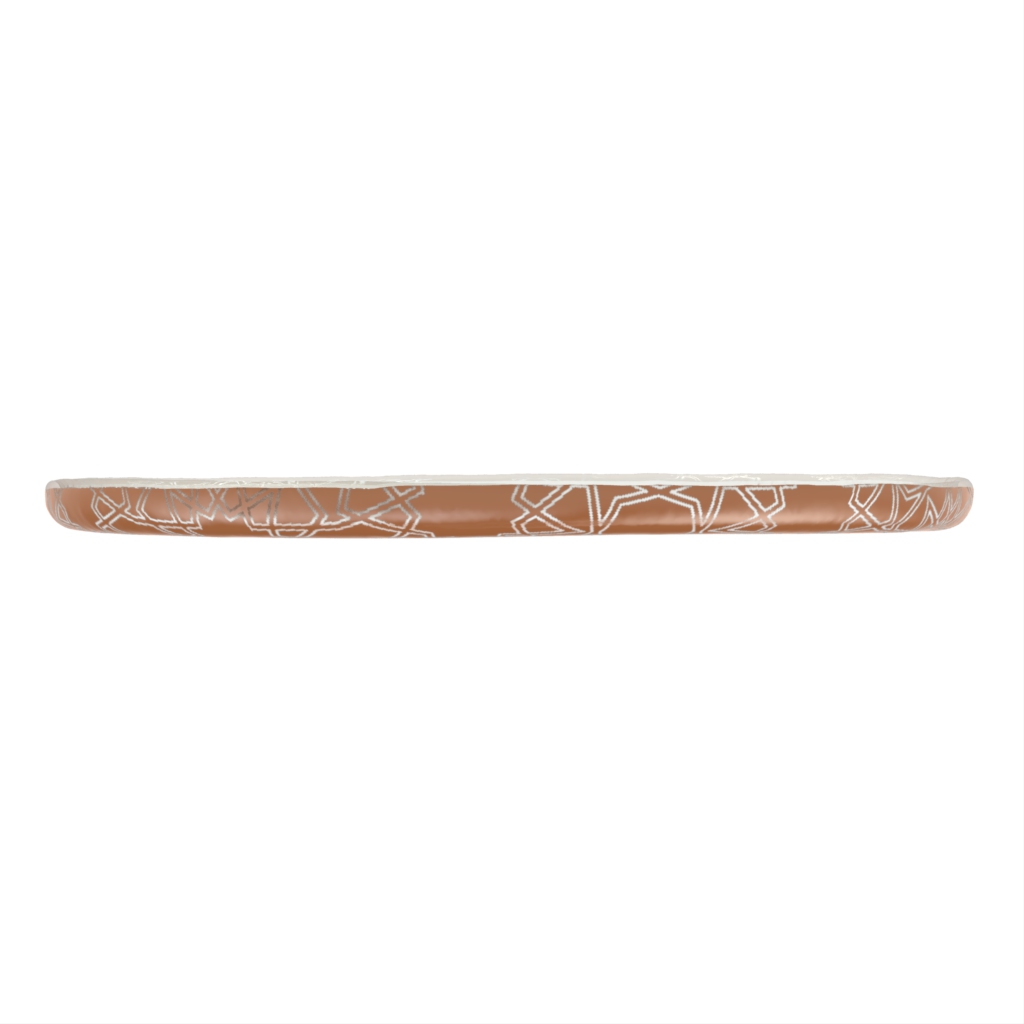
Canape Serving Platter in Brown Copper
P1-C2-01-STAF0242
Diameter: 31.0 cm
Height: 2.0 cm
Masterpack Qty: 6

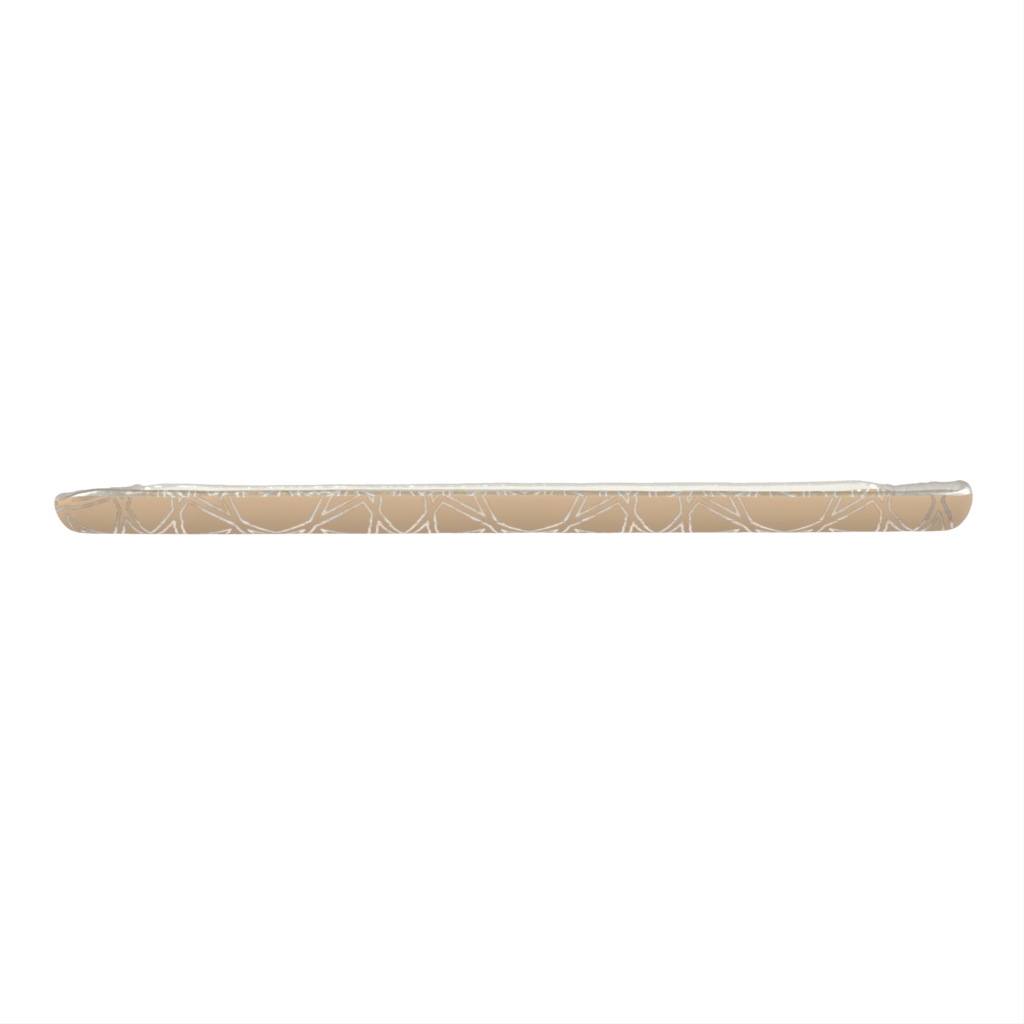
Canape Serving Platter in Almond Beige
P1-S6-00-STAF413
Length: 36.5 cm; Width: 26.5 cm;
Height: 2.0 cm
Masterpack Qty: 6

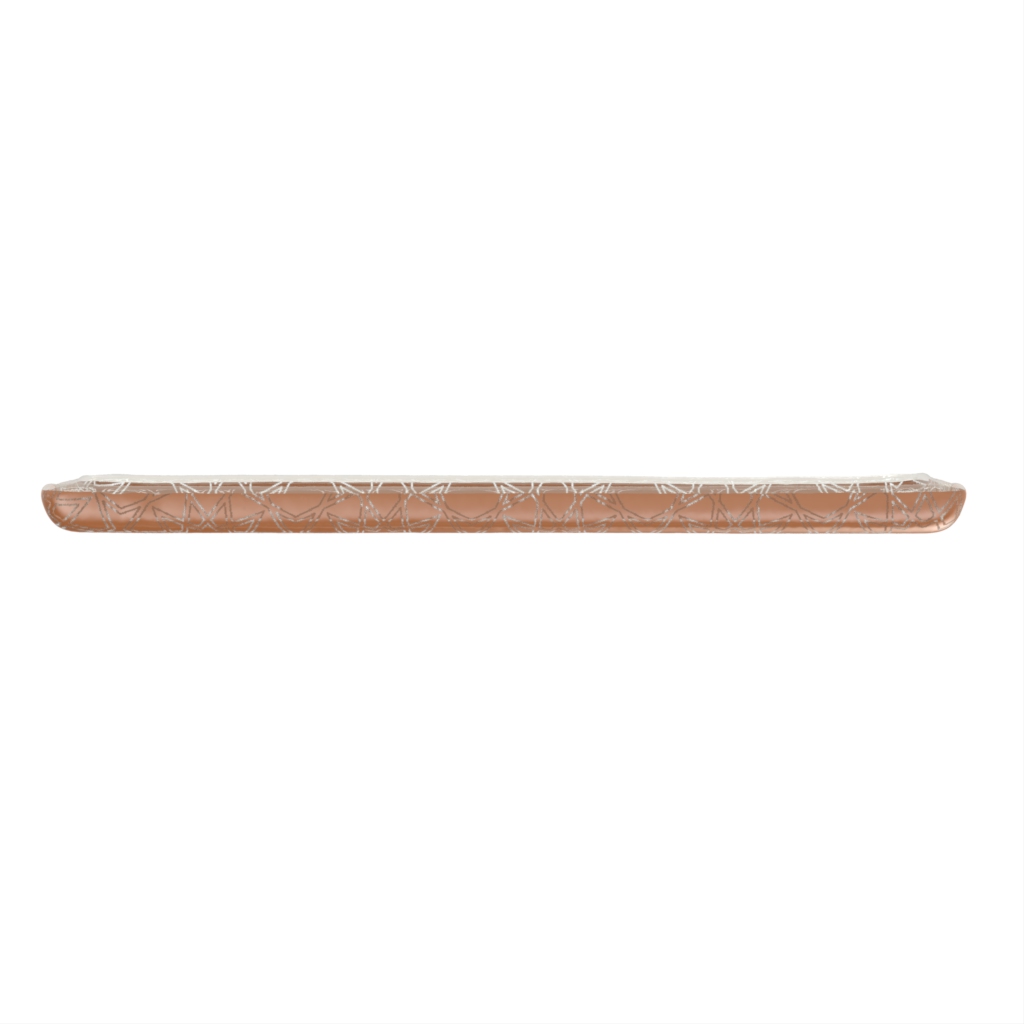
Rectangular Platter in Brown Copper
P2-S6-05-STAF0242
Length: 33.5 cm; Width: 11.5 cm;
Height: 1.8 cm
Masterpack Qty: 4


Tapas Serving Dish in Light Blue
P4-C2-02-SS011172
Diameter: 15.3 cm
Height: 2.0 cm
Masterpack Qty: 6


Tapas Serving Dish in Golden Brown
P4-C2-02-TK022
Diameter: 15.3 cm
Height: 2.0 cm
Masterpack Qty: 6


Tapas Serving Dish in Birch White
P4-C2-02-SS41011
Diameter: 15.3 cm
Height: 2.0 cm
Masterpack Qty: 6


Mini Appetizer Plate in Cobalt Blue
B1-C2-17-TK19
Diameter: 11.7 cm
Height: 2.5 cm
Masterpack Qty: 10


Mini Appetizer Plate in Cobalt Blue
B1-C2-17-MRB19
Diameter: 11.7 cm
Height: 2.5 cm
Masterpack Qty: 10


Mini Appetizer Plate in Dark Gray
B1-C2-17-BT471024
Diameter: 11.7 cm
Height: 2.5 cm
Masterpack Qty: 10


Mini Appetizer Plate in Birch White
B1-C2-17-BT41123
Diameter: 11.7 cm
Height: 2.5 cm
Masterpack Qty: 10


