

Fine Dining Plates and What They Demand from a Kitchen
A fine dining plate arrives at the table before the food does. It’s already forming an impression. The weight in the hand and the surface quality under the fingertips register before the first course arrives. For chefs operating at the level where every detail is deliberate, the plate is not a neutral surface. It’s the first statement of the course.
Why the Vessel Is a Commercial Decision
Guest impressions form within seconds of a dish landing on the table. As a result, that statement carries real commercial weight.
Glass and the Fine Dining Visual Language
Notably, fine dining plates in glass bring a quality to that statement that other materials cannot replicate. Translucency is the defining characteristic, light passes through the base and edges, lifting colour and texture in the food above it. In particular, a sauce reads differently on glass. Likewise, garnish has more visual presence. The negative space around a composed dish registers as intentional framing rather than empty surface.
For chefs where balance, visual contrast, and composition are part of the plating language, glass is a precision tool. It is, above all, a plating decision, not merely a material choice.
The Commercial Dimension for Owners and Directors
In essence, this is the intersection where craft and hospitality strategy meet. Above all, the right fine dining dinnerware doesn’t just hold food, it amplifies it. For restaurant owners and hotel F&B directors, that amplification has a direct commercial dimension. It translates into perceived value of menu items and Instagram appeal. Moreover, it shapes the brand identity guests carry after the meal.
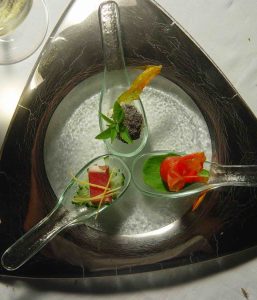
Designer glass fine dining plates for restaurant and hotel epicurean service. MyGlassStudio.
Glass as a Fine Dining Material, the Case Beyond Aesthetics
The aesthetic argument for glass in fine dining is well established. However, fine dining plateware endures a specific set of stresses that standard restaurant tableware does not. High-frequency wash cycles, rapid temperature changes between service, careful stacking in a tight kitchen environment, all, in fact, impose real wear on every piece. Consequently, every piece in a fine dining programme must be specified with those realities in mind.
Durability Built Into the Material
MyGlassStudio glass is dishwasher-safe at 90°C / 194°F. Moreover, all colours and surface treatments are fired into the glass body at high temperature, not applied as coatings. Consequently, they will not scratch, cloud, haze, or fade through a full service season. Notably, the retardation value across every piece stays below 250nm, structural consistency with no weak points. For a fine dining programme running two or three sittings daily, this consistency is therefore the baseline for a credible tableware investment.
The Durability-Versus-Cost Calculation
Furthermore, the durability-versus-cost picture shifts when the full operational context is considered. A fine dining dinnerware programme that holds its finish across two full service seasons costs less operationally, and in fact represents better value overall. By contrast, one requiring partial replacement within twelve months delivers less value despite a lower unit price. Consistency of finish across a set of one hundred covers also matters at the table. When every plate matches, the overall impression of the dining room is consequently one of considered precision. When pieces diverge, guests nevertheless register it even without articulating it. For the full quality specification, see our dinnerware quality page.
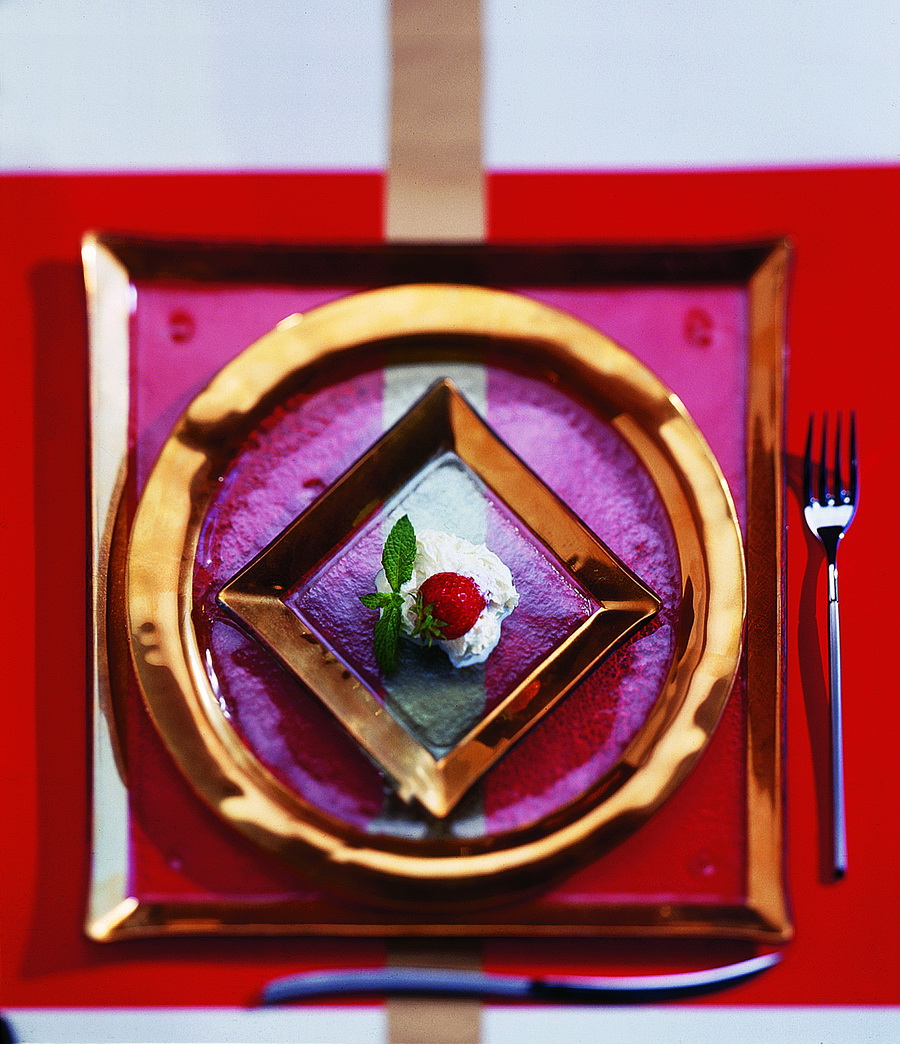
Durable glass fine dining dinnerware for hotel and restaurant professional service. MyGlassStudio.
Shape, Depth, and the Plating Logic Behind Fine Dining Plate Selection
Plate selection for fine dining is not a single decision. Specifically, it is a series of decisions, one for each course. Specifically, different preparations demand different formats.
Flat Plates and Coupe Profiles. Composition and Negative Space
Flat fine dining dinner plates with a wide, defined rim create the most controlled plating environment. Our rimmed dinner plates are made for exactly this kind of framed presentation. In particular, the rim establishes a clear frame. Food occupies the well; the rim is empty space, and that emptiness is, in turn, part of the composition. As a result, it draws the eye inward and gives individual elements room to register separately. For chefs working with precision portions and architectural plating, this format delivers maximum control over visual balance and negative space. Browse the full range of shaped options in the coupe plates collection.
Coupe Profiles and Sauce-Forward Presentations
By contrast, coupe-profile plates suit a different plating approach. Specifically, they work well where sauce is part of the composition, the curve guides flow and concentrates elements toward the centre. Equally, for a multi-course tasting menu, mixing rimmed and coupe formats creates visual variety while maintaining a coherent aesthetic.
Dessert Plates. Precision at Small Scale
Dessert plates carry the same composition demands as main course formats, the difference is scale. Every millimetre of placement is visible on a smaller vessel. A glass dessert plate amplifies visual contrast between components. The opacity of chocolate against pale cream, the translucency of a fruit gel, the sharp edge of a tuile, each reads precisely. Glass makes every component visible. Browse the full dessert plates collection for glass formats suited to fine dining pastry courses.
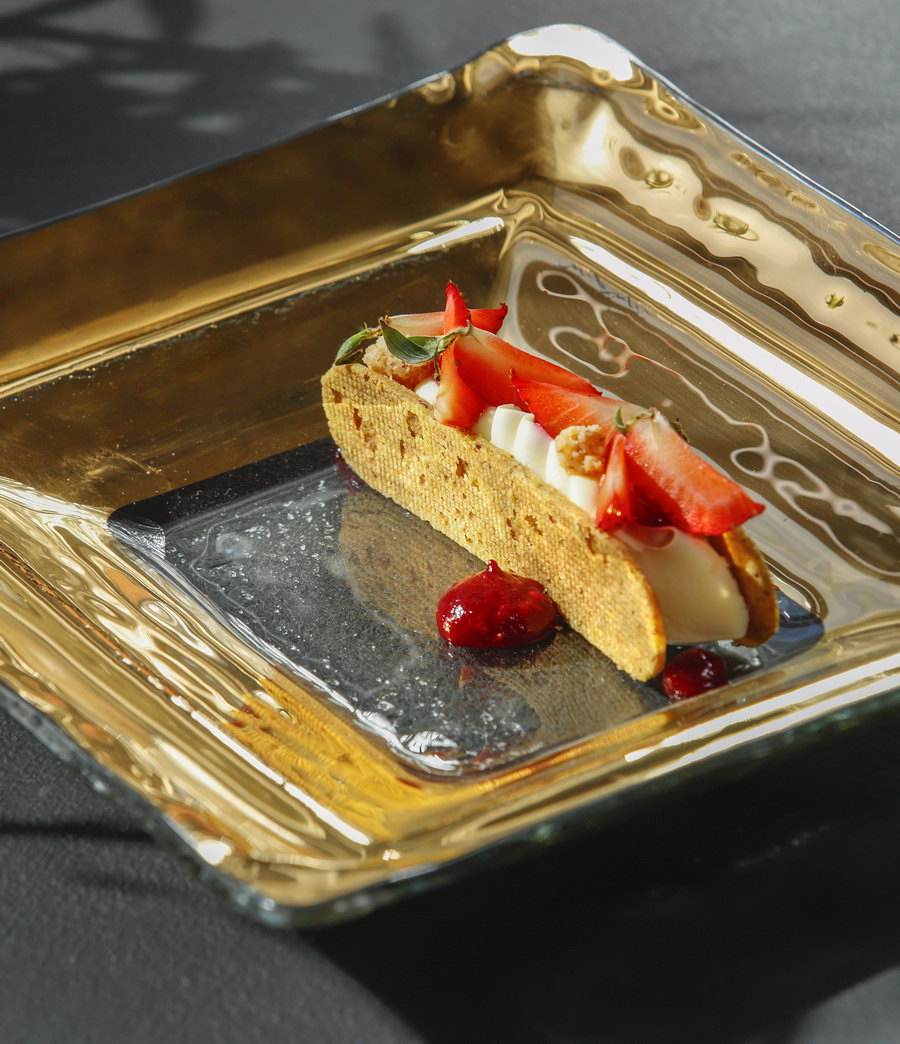
Glass plates for fine dining, rimmed and coupe profiles for chef plating programmes. MyGlassStudio.
Super Slim Small Plates, a Specialist Format for Fine Dining and Tasting Menus
For amuse-bouche courses and tasting menu interludes, the super slim small plate format deserves specific attention. These are not miniaturised versions of standard plates. Instead, they are a distinct format designed for single-bite presentations where the vessel is as much part of the experience as the food it holds.
A super slim glass plate creates an almost architectural quality at the table. Indeed, the thinness of the rim gives chefs a stage that emphasises the care in the preparation. For epicurean tasting menus of twelve or more courses, this format provides visual rhythm. It creates a moment of deliberate minimalism between fuller course presentations. View the full range in the Super Slim Small Plates Catalogue.
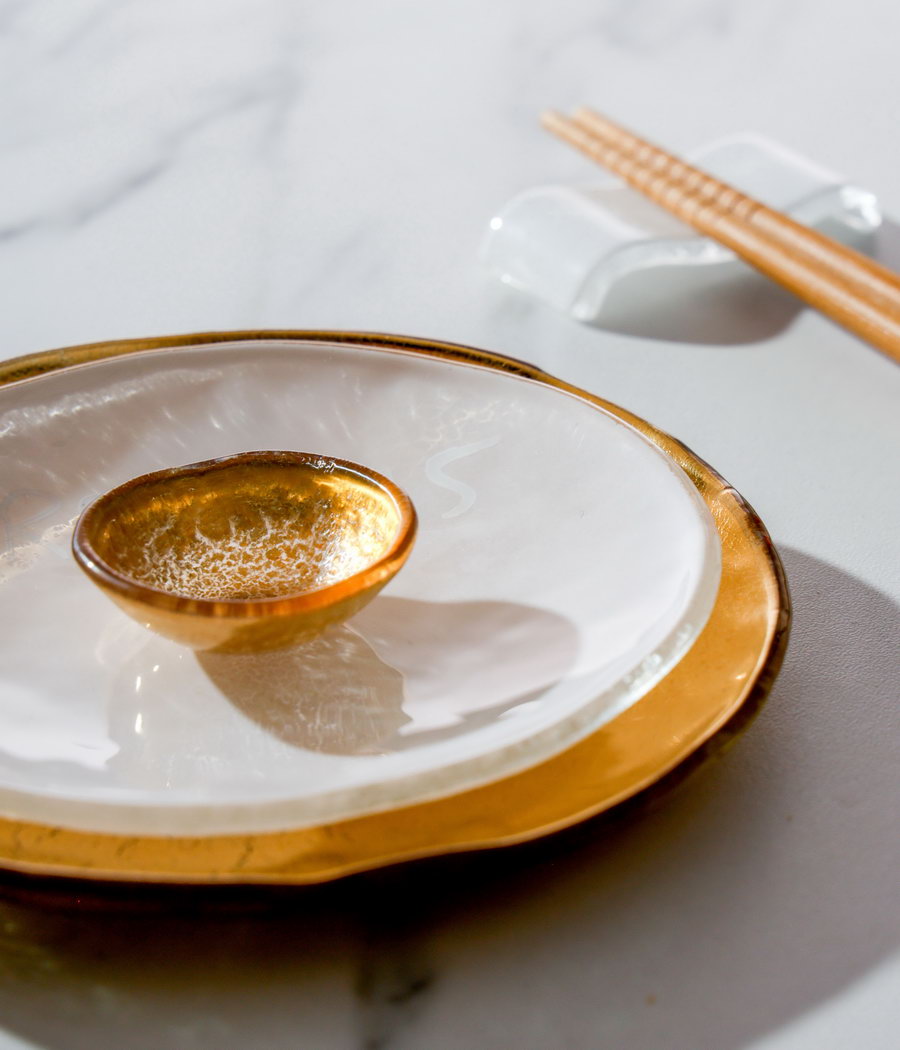
Super slim glass small plates for fine dining tasting menus and amuse-bouche service. MyGlassStudio.
Fine Dining Tableware, the Full Table Setting Beyond the Plate
The plate is the centrepiece of a fine dining cover. However, it does not operate in isolation. The full table setting determines the overall visual impact of the dining room. Charger plates, cutlery rests, and the relationship between vessels across a multi-course service all contribute. Fine dining tableware in glass creates a coherent visual language when each piece is selected to work together.
Glass Chargers and Table Setting Foundations
A glass charger plate sets the tone for the entire cover before a single course arrives. Its surface quality, weight, and colour establish the aesthetic standard that every subsequent piece is measured against. Furthermore, a glass charger that matches the translucency and finish of the serving plates creates a visual through-line across the meal. Guests register that consistency as deliberate and considered. Explore the glass chargers collection for formats suited to fine dining programmes. Browse the complete fine dining table setting collection for the full range of complementary pieces.
Gourmet Bowls and Course-Specific Vessels
Gastronomy dinnerware for a complete fine dining programme extends beyond plates. Gourmet bowls for soup courses, broth presentations, and composed cold starters bring the same glass qualities, translucency, visual contrast, surface depth, to liquid preparations. For a tasting menu where visual coherence is part of the dining concept, selecting bowls from the same glass programme as the plates is therefore essential. The result is a table that reads as a single designed experience, not a collection of separate pieces.
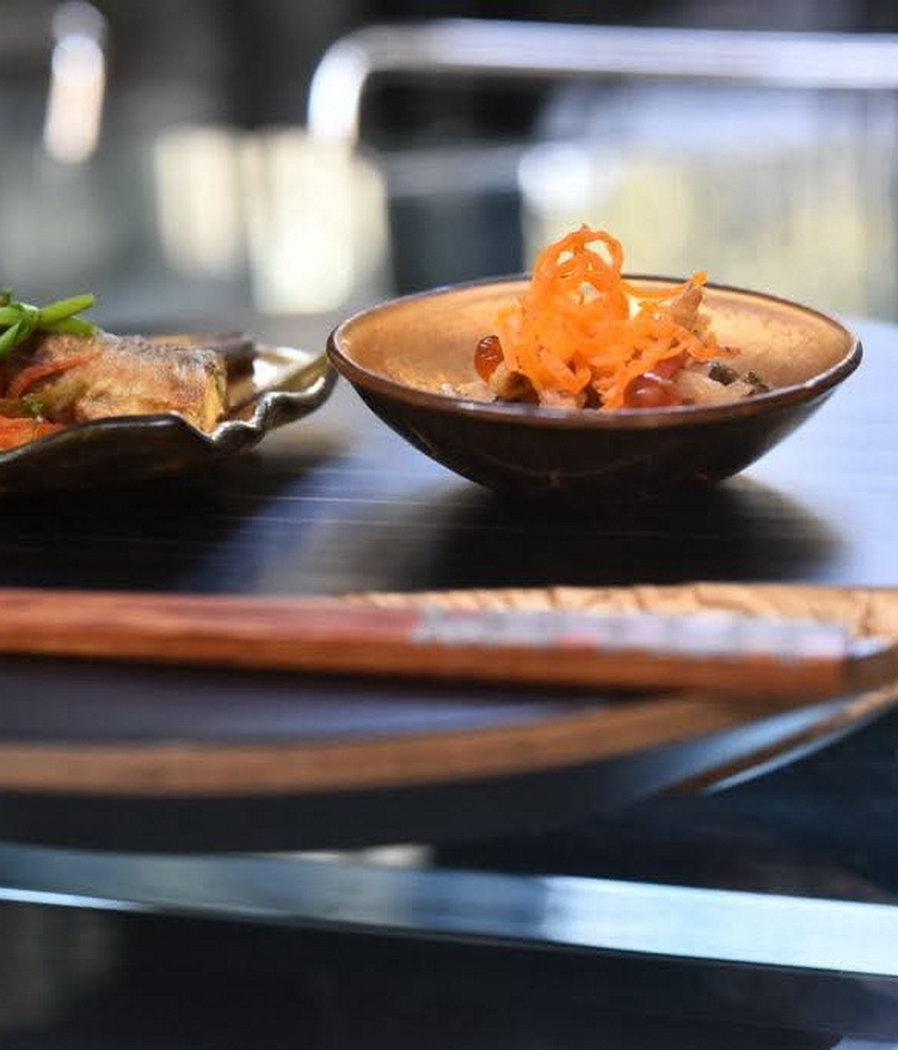
Glass fine dining tableware, full table setting for hotel and restaurant epicurean service. MyGlassStudio.
Bespoke Fine Dining Dinnerware. Designed Around Your Concept
The most ambitious fine dining programmes do not select from a catalogue, they commission. A bespoke fine dining tableware programme gives a restaurant or hotel complete control over the visual identity of the table. Colour, shape, rim profile, surface finish, and the relationship between pieces across the full course sequence, all are determined by the brief.
How the Bespoke Process Works
At MyGlassStudio, the bespoke process begins with the concept. We work directly with F&B directors, executive chefs, and interior designers. Together, we develop glass collections that integrate with the property’s FF&E and reflect the culinary identity of the kitchen. We match colours to your interior palette. We develop and adapt shapes for specific courses. The result is a programme genuinely unique to the property, pieces guests will not encounter on any other table.
Bespoke Programmes for Hotels and Independent Restaurants
For hotel fine dining concepts requiring consistent standards across multiple outlets, a bespoke glass programme is the right solution. It delivers the consistency of finish and dimensional precision needed to run a standardised service across different kitchen teams. Additionally, for independent restaurants where the dining room itself is a differentiator, a bespoke commission is one of the most direct investments in brand identity available. Explore the full bespoke process on our bespoke dinnerware page, and see the broader hospitality range at restaurant dinnerware.
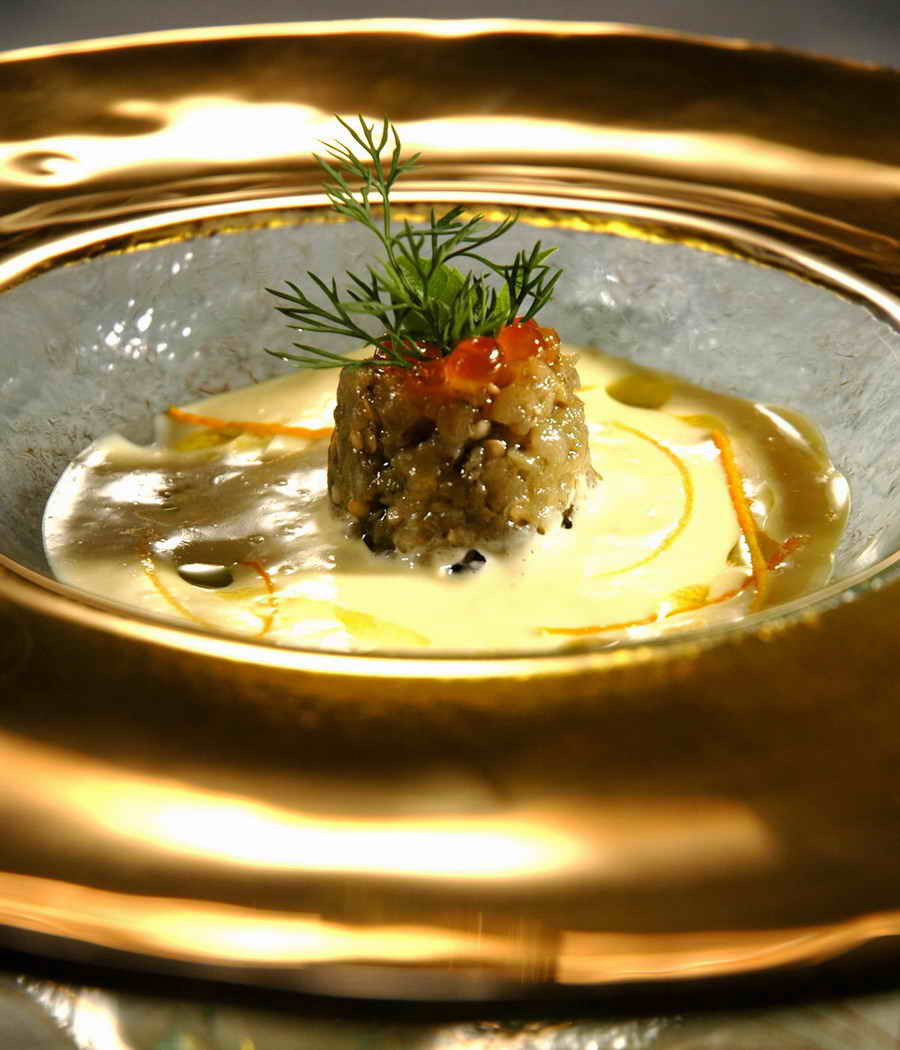
Bespoke glass fine dining plates developed for hotel and restaurant epicurean dining concepts. MyGlassStudio.
Brand Identity, Instagram Appeal, and the Commercial Case for Glass
The commercial argument for investing in quality glass plates for fine dining extends beyond the dining room. Every plate that leaves the pass is a potential piece of content. Guests at fine dining level photograph their food, it is a consistent behaviour across the market. The vessel is always in the frame. A glass fine dining dinner plate creates visual lift and amplifies colour. It reads beautifully under restaurant lighting, and it photographs well. That Instagram appeal translates directly into organic reach for the restaurant’s brand.
Perceived Value and the Signal Quality Sends
Moreover, the perceived value of menu items is inseparable from the quality of what they are served on. Research consistently shows that guests rate food quality and value more highly when served on vessels that communicate care. Intention at the table translates directly into guest perception. A bespoke glass fine dining programme signals that care at every course. In fact, it tells a guest that the kitchen’s standards extend to every element of the experience, not just what is on the plate, but what the plate itself is.
For further reference on how tableware shapes dining perception, Frontiers in Psychology has documented how vessel material and shape influence taste perception and guest satisfaction. Similarly, Hospitality Design covers how leading operators use tableware as a deliberate brand differentiator. Additionally, the World’s 50 Best Restaurants regularly documents how top-ranked kitchens approach plate selection as part of their culinary identity.
FAQ
Glass Material and Durability
What makes glass the right material for fine dining plates?
Glass introduces translucency and surface depth that amplifies colour, texture, and visual contrast in plated food. It is non-porous, non-reactive, and certified lead- and cadmium-free, meeting the hygiene and food safety standards required for professional fine dining service.
Are glass fine dining plates durable enough for professional restaurant service?
Yes. MyGlassStudio glass is dishwasher-safe at 90°C / 194°F with colours fired into the glass body rather than surface-coated. Finish and structure hold reliably through high-frequency service across a full season.
Formats and Plate Selection
What plate formats work best for fine dining tasting menus?
Wide-rimmed flat plates for composed main courses, coupe profiles for sauce-forward preparations, super slim small plates for amuse-bouche, and dessert plates for the pastry course. A coherent programme uses different formats across courses while maintaining a unified aesthetic.
What is the difference between a rimmed plate and a coupe plate for fine dining?
A rimmed plate has a defined flat edge that frames the food composition and controls negative space. A coupe plate has a continuous curved profile with no rim, which suits sauce-forward preparations and a more fluid plating approach.
What are super slim small plates used for in a fine dining programme?
Super slim small plates are designed for amuse-bouche, tasting menu interludes, and single-bite presentations. Their slim profile creates an architectural quality at the table and provides visual contrast between the minimal format and fuller course presentations.
Guest Experience and Brand
How does fine dining dinnerware affect perceived value for guests?
Research shows guests rate food quality and value more highly when served on vessels that communicate intention and craft. A glass fine dining plate creates visual lift, amplifying colour and texture, which increases perceived value before the first bite.
How do glass charger plates contribute to a fine dining table setting?
A glass charger establishes the aesthetic standard of the cover before any food arrives. When matched in translucency and finish to the serving plates, it creates a visual through-line across the entire meal that reads as considered and deliberate.
Bespoke and Custom Programmes
Can fine dining tableware be produced in bespoke colours and shapes?
Yes. MyGlassStudio develops fully bespoke fine dining dinnerware collections matched to a restaurant or hotel’s interior palette, culinary identity, and service format. Custom colour, rim profile, and shape options are all available.
How long does it take to produce a bespoke fine dining plate collection?
For bespoke commissions, we recommend initiating the brief at least 12–16 weeks before the required delivery date to allow for design development, colour sampling, production, and quality verification.
Can MyGlassStudio supply fine dining tableware across multiple hotel outlets?
Yes. We produce to tight dimensional tolerances and consistent finish across large programme runs. This makes our glass fine dining tableware well suited to hotel groups requiring consistent standards across multiple F&B outlets or properties.